Arts Freedom AU

best paint brushes to paint the future

7 Questions Sydney Creatives and Lifestyle Enthusiasts Should Ask Before Buying Promotional Leather Pen Cup Holders

Before they place an order for events in Surry Hills, client gifting in Barangaroo, or a pop up in Bondi, these seven questions help them buy with fewer regrets and better results.

What is the real purpose of these promotional leather pen cup holders for their brand?

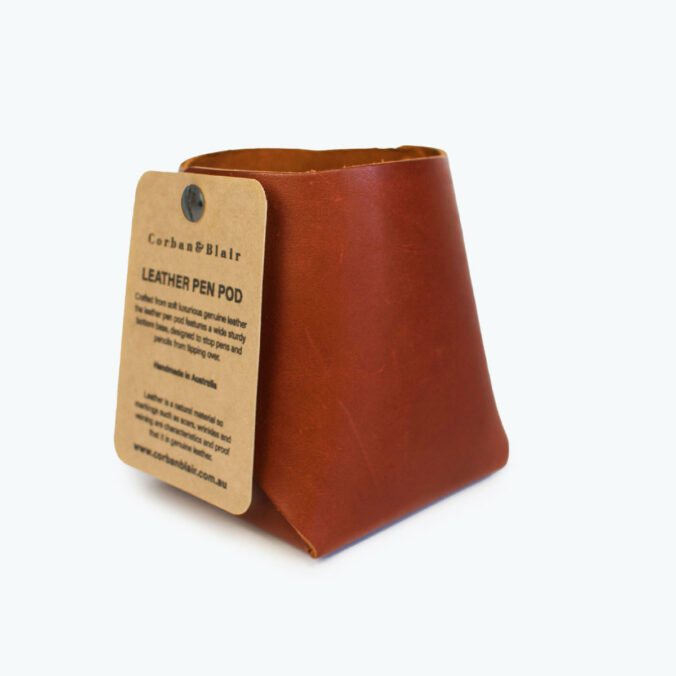
The purpose should be clear: to keep a brand visible on a desk while feeling like a genuine upgrade, not just another freebie. If the goal is daily use, they should prioritise comfort, finish, and durability over novelty.

If the goal is a campaign moment, they can lean into bolder branding, packaging, or a limited run look. Either way, the purpose drives every decision that follows, from leather type to logo placement.

Who will actually use them, and where will they sit?

They should picture the end user’s desk before they buy. A creative director’s studio in Redfern will likely suit a different look than a corporate admin pod in North Sydney or a salon counter in Paddington.

If the item is heading to home offices, size and tidiness matter more. If it is for workplace desks, compliance with office aesthetics can matter. Promotional leather pen cup holders work best when they match the spaces people already like.
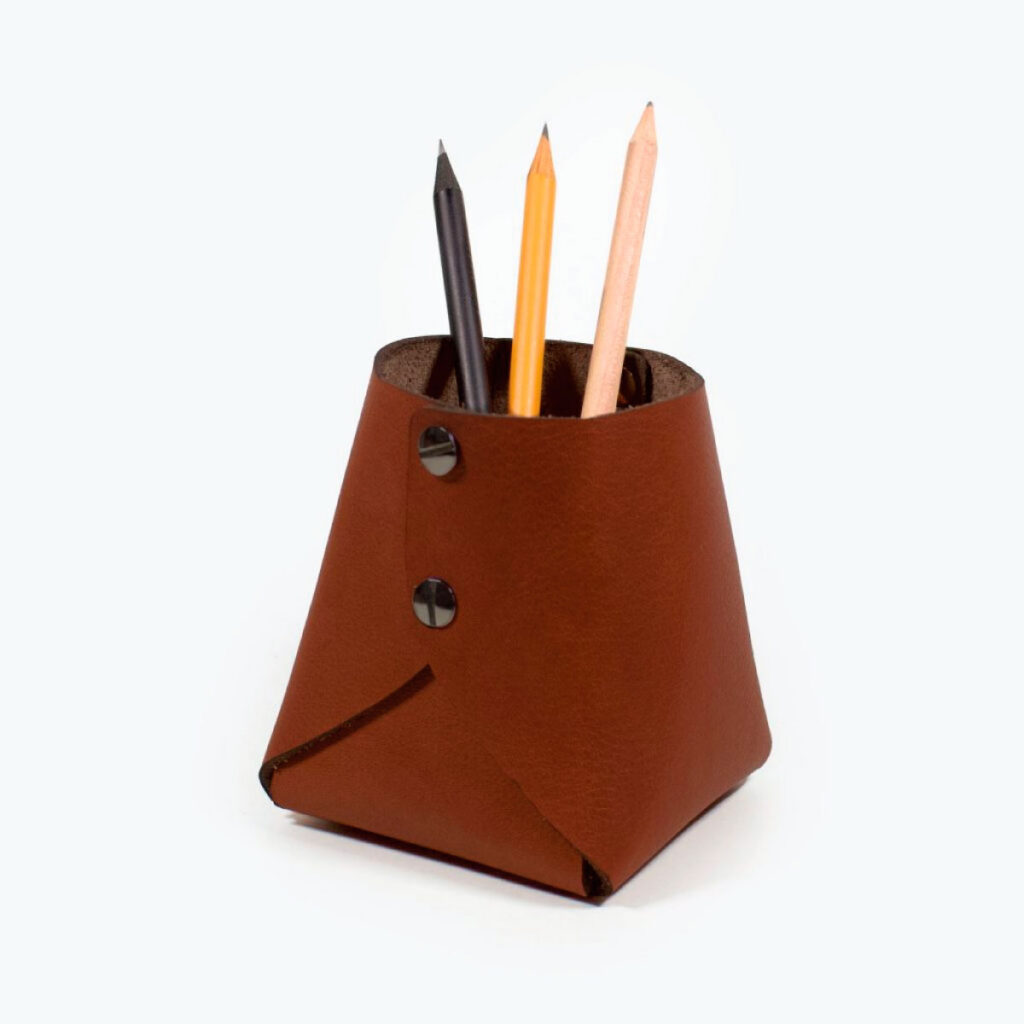
7 Questions Sydney Creatives and Lifestyle Enthusiasts Should Ask Before Buying Promotional Leather Pen Cup Holders

What leather options are they choosing, and what will that communicate in Australia?

Their material choice signals brand values fast. Full grain leather reads premium and ages well, while split leather or PU can look fine initially but may not wear the same in Sydney humidity and daily handling.

If sustainability is part of the brand story, they should ask suppliers about leather sourcing, tanning methods, and alternatives that still look refined. For lifestyle audiences, the feel and smell of real leather can make promotional leather pen cup holders feel like a purchase, not a giveaway.

How should the logo be applied so it looks intentional, not forced?

The best branding looks like it belongs there. Debossing or subtle foil can feel design led, while oversized prints may reduce the “keepsake” effect. They should choose a method that suits the leather finish and the vibe of the brand.

Placement also matters. A small mark near the base can feel premium and still be seen daily. When done well, promotional leather pen cup holders become part of the desk styling, not something people hide.

Are the size, weight, and stability right for real daily use?

They should test the practical side, not just the product photo. A pen cup that tips, slides, or barely fits common pens will not last on a desk for long. The base weight, internal diameter, and lining all affect whether it feels solid. Choosing custom desk accessories can help buyers find functional pieces that combine everyday usability, durability, and a design that suits their workspace.

If they want it to hold scissors, markers, or a small ruler, they should check dimensions carefully. Good promotional leather pen cup holders feel stable even when partly empty.

What customisation details will make them feel like a considered gift?

Small details often do the heavy lifting. Stitch colour, edge paint, lining material, and a simple gift box can lift perceived value without changing the core item. If the audience is design savvy, these details will be noticed.

They can also tailor colourways to match brand palettes, like warm tan for coastal brands or matte black for minimalist studios. Thoughtful finishing helps promotional leather pen cup holders land as “curated,” not generic.

What are the order logistics, timelines, and compliance factors in Sydney?

They should ask about production lead times, proofing, minimum order quantities, and delivery schedules to Sydney locations. If the items are for an event, they need contingency for delays and rework after sampling.

They should also confirm care instructions, warranty expectations, and whether the product meets any workplace or gifting policies for corporate recipients. Smooth logistics matter because promotional leather pen cup holders are often tied to fixed dates, like launches or end of financial year gifting.
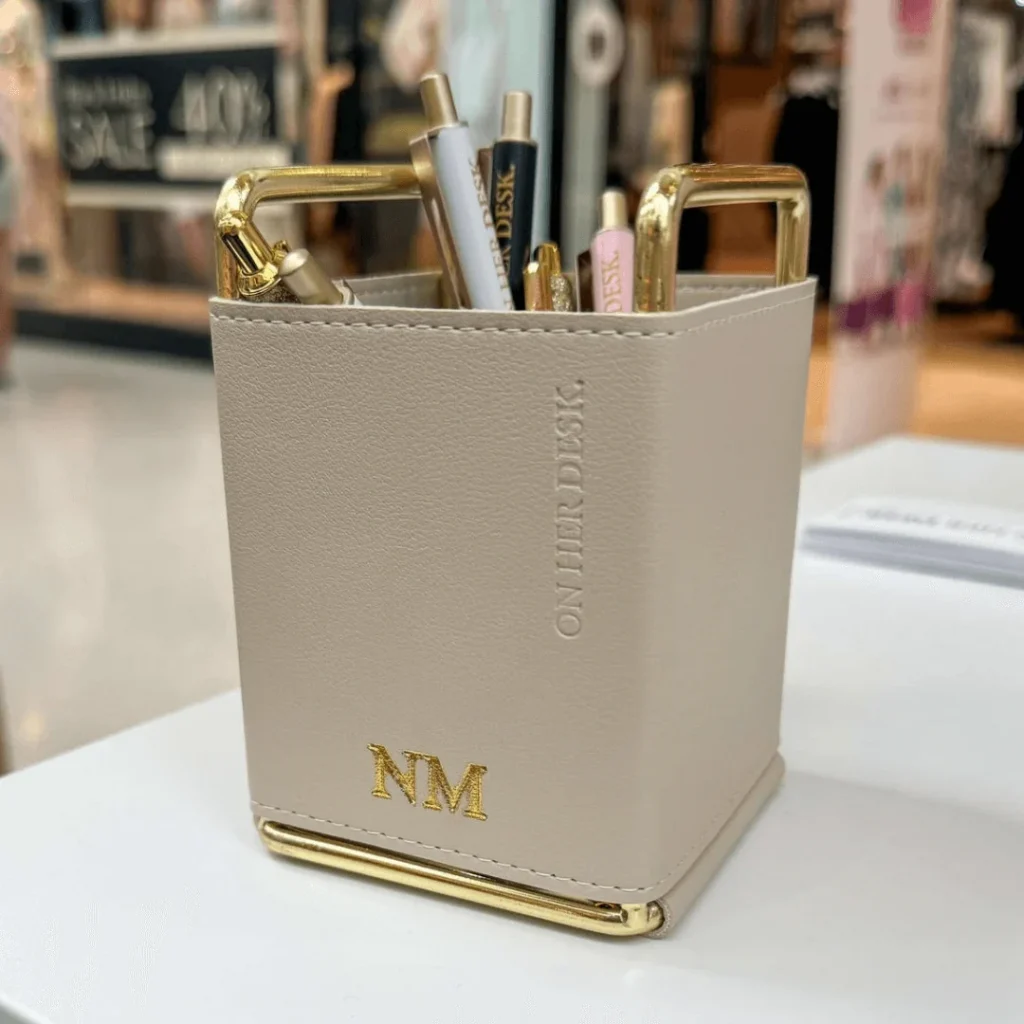
7 Questions Sydney Creatives and Lifestyle Enthusiasts Should Ask Before Buying Promotional Leather Pen Cup Holders

How should they budget so the quality matches the impression they want?

They should budget from the impression backwards. If the brand wants a “premium desk staple,” a low unit cost can be risky because leather-look finishes, stitching, and logo quality are where cheaper builds often fail. Investing in custom branded desk accessories can help businesses create professional gifts and workplace items that reflect brand value while maintaining durability and presentation quality.

They can save money by simplifying packaging or limiting colour variants instead of cutting material quality. When the unit cost aligns with brand positioning, promotional leather pen cup holders are more likely to be kept, used, and associated with good taste.

Which supplier checks should they do before placing the full order?

They should request samples, inspect edge finishing, and ask for real photos of past runs, not only mockups. They should confirm how logo proofs are approved, what happens if a batch is inconsistent, and how defects are handled.

Local or Australia-based experienced suppliers can make freight timing and communication easier. The right supplier makes jet tag with custom embroidery projects feel predictable, not stressful. Choosing a provider that specialises in custom promotional products Australia can help businesses manage quality, lead times, and branding requirements more effectively.

What should they do next to choose the right option?

They should shortlist two to three styles, order samples, and test them on a real desk setup for a week. They should confirm logo method, colour, and packaging, then place an order that matches the campaign timeline.

When they treat promotional leather pen cup holders like a design object rather than a quick add on, the result is usually a desk item people keep, use, and associate with Sydney level creativity and care.
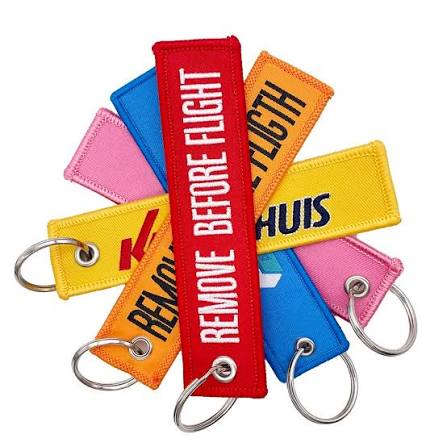

Jet Tag with Custom Embroidery: What to Look for Before You Buy

This guide breaks down what matters so they can choose a jet tag with custom embroidery that suits their use, budget, and brand.

What is a jet tag with custom embroidery, and why do people choose it?

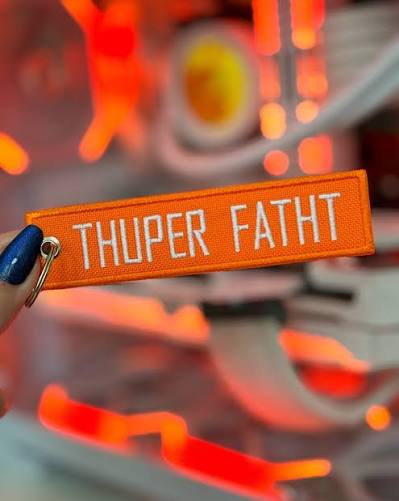
A jet tag with custom embroidery is a fabric key tag, often rectangular with a looped end, finished with stitched lettering or a logo. People choose it because embroidery is durable, tactile, and easy to read, even when the tag is scuffed from daily carry.

In Australia, they are popular for car keys, motorbike keys, workshop sets, promotional giveaways, and club or team identifiers.

What fabric should they look for in a jet tag with custom embroidery?

They should prioritise tightly woven polyester webbing or similar heavy-duty strap material. A good base fabric resists edge fraying, holds stitches cleanly, and handles heat, sweat, and sun better, which matters in Australian conditions.

If the supplier can’t specify the webbing weight or construction, it can be a sign the product is built to a price rather than for long-term use.

How can they tell if the embroidery will hold up?

They should look for dense stitching, crisp letter edges, and consistent thread tension across the design. If the text looks “puffy” in photos, or the fill looks uneven, it may snag or loosen faster with keyring abrasion.

A reliable jet tag with custom embroidery also has a stabilised backing or construction that prevents the fabric from warping as the thread tightens.

What thread types and colours are best for Australian use?

They should choose colourfast embroidery thread that resists UV and washing. Bright colours can fade faster when left on dashboards or exposed on belt loops, so suppliers should offer high-quality thread and clear guidance on colour matching. Selecting custom embroidered accessories can also help businesses and individuals achieve durable designs that maintain their appearance through everyday use and regular exposure.

If exact branding matters, they should request a thread chart or a close-match process so the jet tag with custom embroidery stays consistent across repeat runs.

How many stitches and what size text should they aim for?

They should keep text bold enough to read at arm’s length, because tiny letters can fill in over time or look fuzzy once stitched. As a general rule, simple fonts, thicker strokes, and fewer fine details produce cleaner results.

If the design includes a logo, they should confirm how it will be digitised so the jet tag with custom embroidery doesn’t lose key elements.

Should they choose one-sided or double-sided embroidery?

They should choose based on visibility and budget. One-sided embroidery suits names, slogans, and simpler branding. Double-sided embroidery costs more but increases impact for promotions, clubs, and resale products.

If they pick double-sided, they should confirm whether both sides can have different designs and how that affects the final thickness of the jet tag with custom embroidery. Reviewing embroidered jet tag options can help buyers understand available styles, construction details, and customisation limits before approving the final design.

Jet Tag with Custom Embroidery: What to Look for Before You Buy

What edge finishing should they check before buying?

They should check whether the edges are heat-sealed, stitched, or both. Heat sealing helps reduce fraying, while edge stitching adds structure and a more premium look.

A well-finished jet tag with custom embroidery should feel firm, with tidy corners and no loose threads at the perimeter.

What hardware matters most on a key tag?

They should focus on the split ring size, the connector loop, and the quality of the grommet or eyelet (if used). Hardware should be corrosion-resistant, especially if they live near the coast in places like the Gold Coast, Newcastle, or Perth.

If the supplier offers different ring sizes, they should match it to their key load so the jet tag with custom embroidery sits flat and doesn’t twist excessively.

How do they choose the right length and width?

They should choose a size that is easy to grip with gloves and easy to find in a bag. Many people prefer a longer tag for car keys, while compact tags suit minimalist sets.

For branding, a slightly wider jet tag with custom embroidery gives cleaner lettering and better logo clarity, especially for block text.

What design choices make embroidery look premium?

They should use high-contrast colour pairings, clean fonts, and limited text. Simple layouts tend to look sharper in thread, while crowded designs can look busy and less legible.

If they want a classic aviation look, a bold wordmark with a short tagline often produces a jet tag with custom embroidery that reads well in photos and in real life.

What should they ask for in a proof or sample?

They should ask for a digital mock-up and confirmation of thread colours, placement, and dimensions before production. If the order is large or the branding is sensitive, they should consider paying for a pre-production sample.

A supplier who provides clear approvals reduces the risk of a jet tag with custom embroidery arriving with off-centre text or mismatched colours.

What minimum order quantities and pricing traps should they watch?

They should check minimum order quantities, set-up or digitising fees, and whether GST and shipping are included for Australian delivery. Some suppliers advertise a low unit price but add fees for extra colours, double-sided stitching, or ring upgrades.

They should compare totals, not just per-unit cost, to judge the real value of the jet tag with custom embroidery.

How long should production and shipping take within Australia?

They should confirm production time, dispatch time, and the carrier used, especially if the tags are for an event, car meet, or trade show. Lead times can blow out during peak periods, so planning matters.

If they need fast delivery to Sydney, Melbourne, Brisbane, Adelaide, Perth, Canberra, or Hobart, they should choose a supplier who can commit to timelines for a jet tag with custom embroidery.

What custom options are worth paying for?

They should consider upgrades that add durability or brand impact, such as thicker webbing, double-sided embroidery, premium rings, or special colourways. For clubs and businesses, numbered runs or different colour sets can help organise teams or membership levels.

A thoughtfully upgraded jet tag with custom embroidery can feel like a product, not just a giveaway.

How can they check supplier reliability before they order?

They should review product photos from real customers, ask about quality control, and confirm whether the supplier has experience with embroidery rather than printed tags. If possible, they should check if the supplier regularly services Australian businesses and events.

Clear communication, consistent proofs, and transparent policies usually correlate with a better jet tag with custom embroidery outcome.

Jet Tag with Custom Embroidery: What to Look for Before You Buy

What mistakes cause most disappointments?

They often happen when the design is too detailed, the font is too thin, or the buyer skips proofing. Another common issue is choosing cheap hardware that rusts or bends under daily use. Reviewing promotional leather pen cup holders specifications and requesting a proper sample proof can help buyers avoid quality issues and ensure the final product meets branding and durability expectations.

If they treat it as a small product build rather than a quick merch buy, they are far more likely to end up with a jet tag with custom embroidery they are proud to carry.

What should they do before clicking “buy” to get the best result?

They should finalise the design in high contrast, confirm the exact size, approve a proof, and check hardware specs, total cost, and delivery dates to their Australian address. It also helps to order a small batch first if they are unsure about colours or thickness.

With those checks done, a jet tag with custom embroidery becomes a reliable, everyday item that looks sharp and holds up to real use.

What Is Mosman Florist? A Quick Guide for Sydney Creatives and Lifestyle Enthusiasts

This guide explains what Mosman Florist typically means in practice, what to expect when working with a local florist in Mosman, and how lifestyle-led customers use floral design across Sydney.

What is Mosman Florist, and what do they actually do?

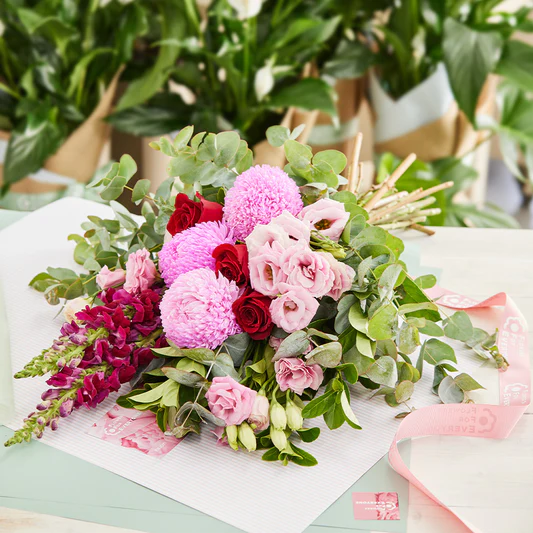
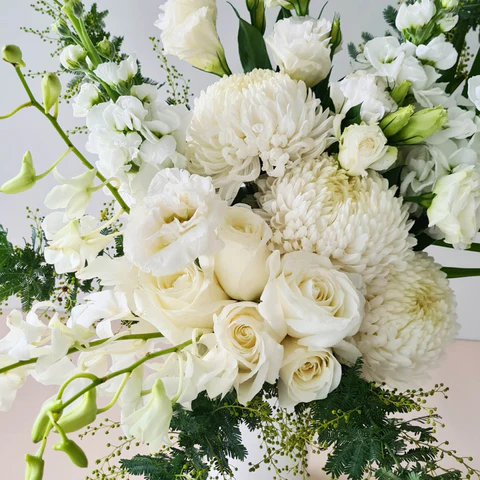
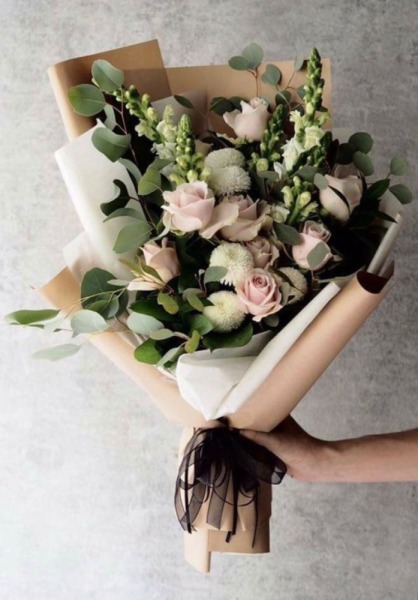
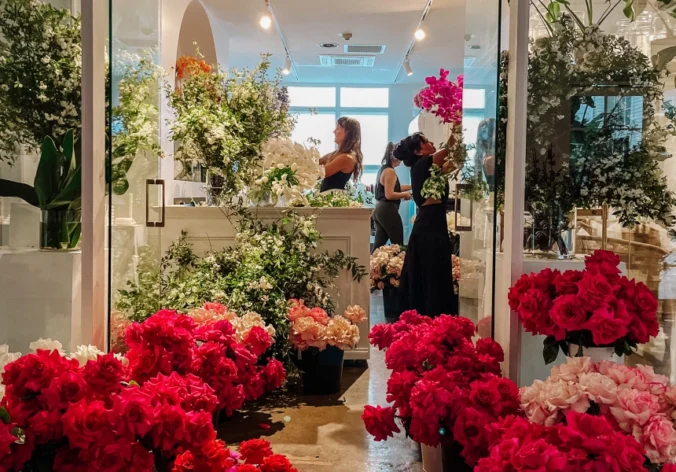
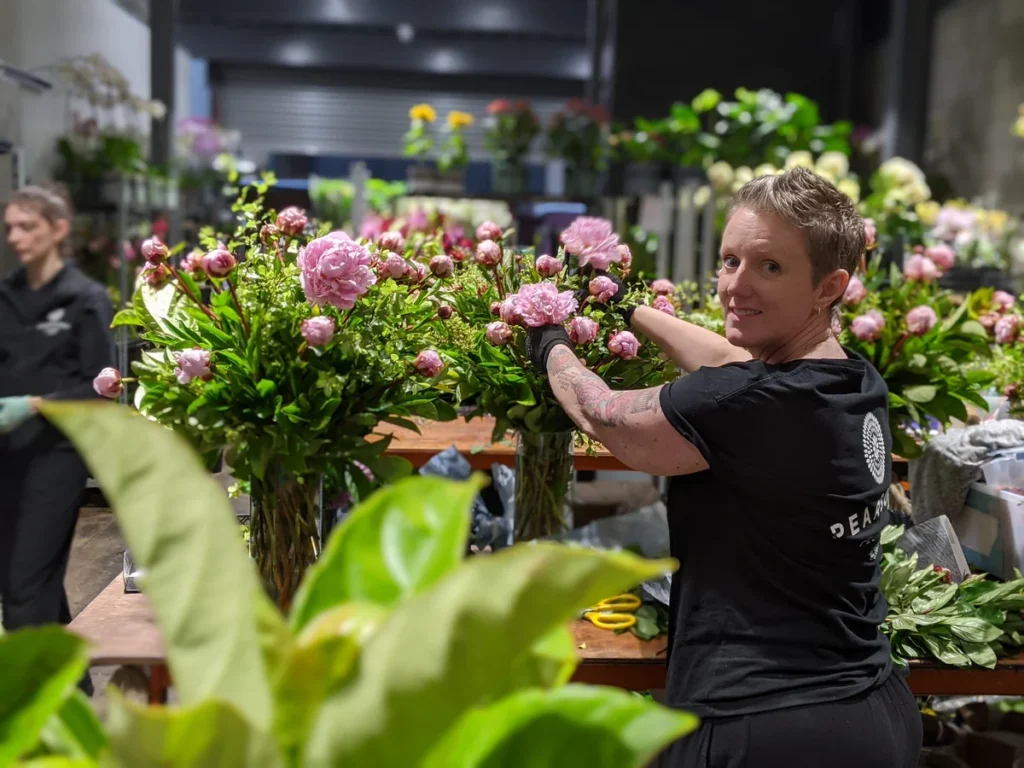
Mosman Florist usually refers to a Mosman-based flower studio or shop that designs and supplies flowers for gifting, homes, events, and brand moments. They source seasonal blooms, build arrangements to a brief, and handle presentation and delivery across Mosman and nearby Sydney suburbs.

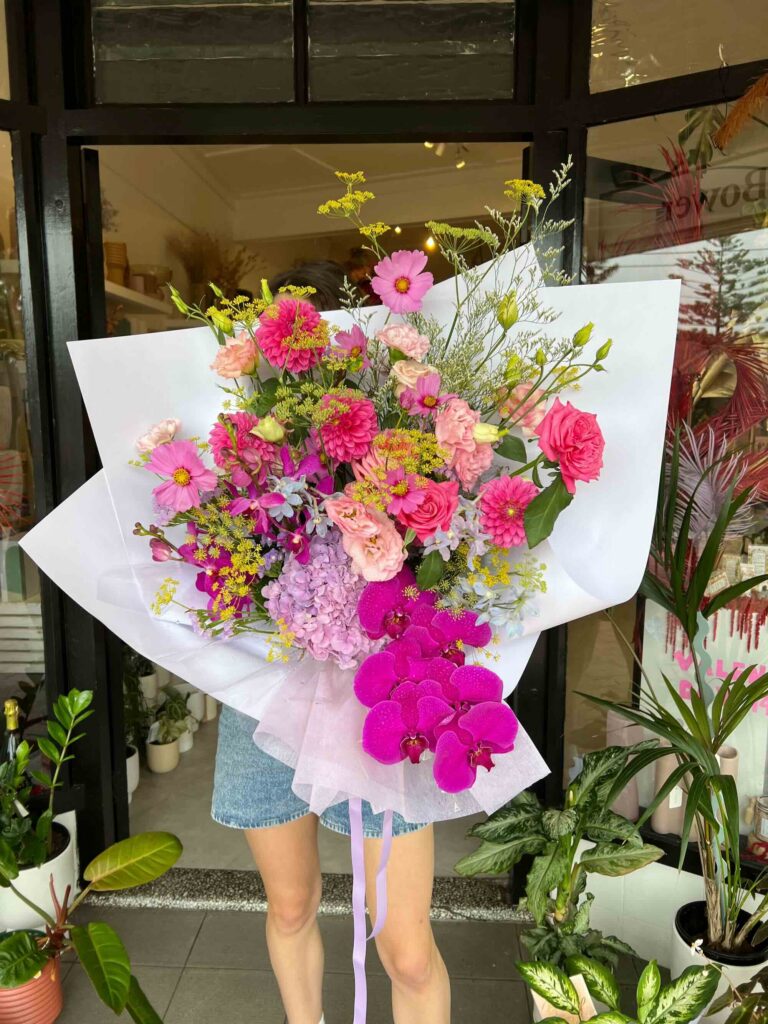
For creatives, their real value is translation. They turn a mood board, palette, or a single reference image into something physical that reads well in real life and on camera.

Who is Mosman Florist for in Sydney’s creative and lifestyle scene?

Mosman Florist suits customers who care about styling outcomes, not just “a bunch of flowers.” That includes photographers, interior stylists, fashion teams, hospitality venues, and anyone planning a celebration with a strong visual direction.

Lifestyle buyers also fit the brief. They might want weekly fresh flowers for the home, a thoughtful gift that looks premium, or a simple arrangement that elevates a dining table before guests arrive.

Why do Sydney creatives choose a local Mosman Florist instead of a generic online option?

A local Mosman Florist can adjust fast. They can match tones to a brand palette, respond to weather and seasonal supply, and recommend substitutions that keep the look intact.

Generic online options can be convenient, but they often rely on templated designs and wider fulfilment networks. Creatives usually prefer direct communication, clearer control of details, and an arrangement that looks intentional rather than mass produced.

What Is Mosman Florist? A Quick Guide for Sydney Creatives and Lifestyle Enthusiasts

What kinds of flowers and styles can a Mosman Florist usually provide?

A Mosman Florist typically offers a mix of classic and contemporary work: hand-tied bouquets, vase arrangements, minimal sculptural designs, and larger installations for events. Style often ranges from airy, garden-like compositions to tighter, modern forms.

In Sydney, seasonality matters. They might lean into local favourites when available, then pivot to other premium options when the brief calls for it. The goal is a cohesive look, even when substitutions are needed. Understanding seasonal flowers Sydney can help customers choose arrangements that suit the time of year, improve freshness, and create a more naturally balanced floral design.

How does Mosman Florist help with brand shoots, content, and campaigns?

For shoots, Mosman Florist can supply hero arrangements, smaller accent stems, and repeatable pieces that maintain continuity across scenes. They can also advise on scale so flowers read properly in wide shots, detail shots, and vertical content.

They are often used to tight schedules. Many creatives provide call times, locations around Sydney, and prop lists, then rely on the florist to deliver with minimal back and forth once the direction is locked.

What should someone include in a brief when contacting Mosman Florist?

When reaching out to Mosman Florist, a short, clear brief usually gets the best result. Useful details include the occasion, preferred colour palette, vibe references, budget range, delivery suburb, and whether a vase is needed.

For creative work, timing and usage matter too. If flowers must last through a full-day shoot or a two-night event, the florist can choose hardier stems and build designs that hold shape under heat, transport, and handling. Planning with event flower arrangements Sydney can help clients select suitable blooms, styling options, and designs that remain visually effective throughout important occasions.

How does delivery and timing usually work with Mosman Florist in Sydney?

Most Mosman Florist services offer same-day or next-day delivery, depending on order time, season, and availability. Mosman, Neutral Bay, Cremorne, North Sydney, and the Sydney CBD are common delivery areas, though ranges vary by studio.

Timing is worth confirming, especially for events and shoots. Sydney traffic, building access, and loading zones can affect smooth drop-offs, so many creatives provide contact numbers, floor details, and preferred delivery windows.

What should lifestyle buyers expect in terms of price and value?

With Mosman Florist, pricing usually reflects design time, flower quality, and the finishing details like wrapping, ribboning, and vessel selection. Higher budgets often improve stem quality, scale, and the ability to stay closer to a specific palette.

Value is not just size. Lifestyle buyers often pay for restraint and taste, where fewer stems look more elevated because the composition, colour balance, and negative space are handled well.

How can someone use Mosman Florist for weddings and private events on the Lower North Shore?

A Mosman Florist can cover personal flowers, ceremony pieces, table centres, and statement installations for venues around the Lower North Shore and broader Sydney. They can also help scale designs to suit intimate homes, waterfront settings, and larger reception rooms.

For private events, they usually work from a theme, a colour story, or a single hero flower. Then they build supporting pieces that feel consistent across entry points, dining areas, and photo spots.

What questions should someone ask before booking Mosman Florist for an event?

Before locking in Mosman Florist, it helps to ask about availability, lead times, and what the quoted price includes. Setup and pack-down, hire items, candles, vessels, and delivery fees can vary between studios.

It also helps to ask how they handle substitutions. Sydney’s market supply shifts weekly, so a good florist will explain what is “must-have” versus what can change while keeping the overall look consistent.

What Is Mosman Florist? A Quick Guide for Sydney Creatives and Lifestyle Enthusiasts

How do they keep flowers looking fresh in Sydney’s climate?

A good Mosman Florist chooses stems that suit the conditions and the use case. For hot days, they may avoid fragile blooms and use varieties known to hold up in transport and indoor heating or air conditioning.

They also build with hydration in mind. Proper conditioning, clean water, and suitable mechanics inside the arrangement can extend vase life, which matters for both gifting and multi-day events.

How can creatives make the most of Mosman Florist for ongoing projects?

Creatives often treat Mosman Florist like a collaborator, not a one-off supplier. They might set a recurring order for studio flowers, book ahead for campaign dates, or keep notes on palettes that photograph well.

Consistency is the advantage. When a florist understands the visual language of a brand or creator, future work gets faster, smoother, and closer to the mark without lengthy briefs each time.

What is the simplest way to decide if Mosman Florist is the right fit?

The simplest test is whether Mosman Florist can match a reference and communicate clearly about what is realistic for the season and budget. If they can offer smart alternatives without losing the intended vibe, that is usually a strong sign. Reviewing custom floral design services can also help customers understand how florists adapt concepts, select suitable blooms, and create arrangements that align with different occasions.

For Sydney creatives and lifestyle buyers, reliability matters as much as taste. When delivery is on time, the work looks like the brief, and the flowers last, the relationship tends to stick.

3 Questions Sydney Creatives and Lifestyle Enthusiasts Should Ask Before Buying Florist Cammeray

This guide breaks the decision into three checks that help them choose the right Florist Cammeray for style, value, and reliability, whether they are ordering for a North Shore apartment, a studio in Surry Hills, or a last minute celebration in the CBD.

What style are they really buying from a Florist Cammeray?

They are not just buying stems, they are buying a look. A Florist Cammeray might specialise in airy, editorial arrangements, dense European bouquets, native Australian textures, or minimalist ikebana-inspired designs. The quickest way to confirm fit is to scan recent work and decide if the palette, shape, and flower choices match the brief.

If they are styling a home, they should look for consistency across seasons. If they are planning content, they should check whether the florist’s designs photograph well in natural light, indoor light, and flash.

A simple test is to ask what they can recreate reliably. Some looks depend on seasonal availability, so a florist may substitute without matching the intended tone. When they speak to a Florist Cammeray, they should ask how substitutions are handled and whether the florist prioritises colour, shape, or flower variety when changes happen.

They should also check whether the florist can work to references. Many Sydney creatives collect mood boards in Pinterest, Milanote, or Instagram saves. A strong florist will respond clearly to references, confirm what is achievable in Australia right now, and offer smart alternatives that keep the same mood.

3 Questions Sydney Creatives and Lifestyle Enthusiasts Should Ask Before Buying Florist Cammeray

What does “fresh and long lasting” mean for their use case?

Freshness is not a slogan, it is a timeline. A Florist Cammeray should be able to explain when flowers are received, how they are conditioned, and how long the arrangement is expected to hold in a typical Sydney home. That matters because an event bouquet has different needs than weekly home styling. Understanding flower care tips Sydney can also help customers extend vase life, protect their arrangements, and get better value from every floral purchase.

For example, if they need flowers to look perfect for a Saturday shoot, they should ask whether the florist recommends delivery on Friday or Saturday morning. If they want a vase arrangement to last through the work week, they should ask for varieties that perform well in warm interiors and how to avoid heat stress near windows.

They should also ask what is included with care. Good florists provide practical instructions that match the arrangement type, such as re-cutting stems, changing water, removing foliage below the waterline, and placement away from direct sun or appliances. If they are ordering often, clear care guidance saves money because it reduces waste.

If the bouquet includes delicate blooms, they should ask how the florist protects them for transport. Sydney traffic and summer humidity can punish flowers quickly, especially if delivery involves time in a van or waiting at reception. A reliable Florist Cammeray will describe packaging, hydration methods, and how they minimise exposure to heat.

Finally, they should check whether they are paying for a design that is meant to last, or one meant to impress for a short window. Neither is wrong, but the buyer should know which one they are purchasing.

What is included in the price, and how can they compare options fairly?

Price comparisons often fail because buyers compare different things. Two bouquets can cost the same and deliver totally different value depending on stem count, flower grade, design time, vessel, and delivery. A Florist Cammeray that is transparent will help them understand what they are actually paying for. Reviewing custom flower arrangement costs can also help customers compare options more accurately and choose designs that match their budget, occasion, and expectations.

They should ask whether the price includes a vase, ribbon, gift card, or premium wrapping. They should also ask what size means in real terms, such as approximate width, height, or number of feature stems. If they are buying for a table centrepiece, dimensions matter more than a vague label like “classic” or “deluxe”.

Delivery is another hidden variable. They should confirm the delivery fee, the delivery window, and what happens if the recipient is not home. For apartment buildings across the Lower North Shore, missed handovers can mean flowers sitting in heat or being left with concierge. A good Florist Cammeray will have a clear process that protects the arrangement.

They should also ask about custom briefs. If they need a specific colour story for a brand activation, a showroom, or a campaign shoot, it may require extra sourcing time and premium product. The fair question is not “can they do it,” but “what will change in cost and lead time if they do.”

For lifestyle buyers who want recurring flowers, they should ask about subscriptions or standing orders. Subscriptions can be good value, but only if the style stays consistent and delivery is dependable. If they are working with a Florist Cammeray, they should confirm whether they can pause weeks, adjust colour preferences, or switch between vase arrangements and wrapped bouquets.

How can they quickly sanity check reliability before they order?

Reliability shows up in small signals. A Florist Cammeray should have clear ordering cut-offs, realistic delivery windows, and fast communication. If the florist cannot answer basic questions about timing, substitutions, or care, that is a warning sign for anyone ordering for an event or a deadline.

They should look for evidence of repeat customers and consistent work. Recent photos are useful, but they should also check whether the florist posts the same arrangements repeatedly or can handle varied briefs. For creatives, variety can matter because each project might need a different mood.

They should also confirm how the florist handles special instructions. That includes delivery notes, gate codes, allergy considerations, pet safety concerns, or avoiding strongly scented lilies in small apartments. A professional Florist Cammeray will treat those details as normal, not as an inconvenience.

If they are ordering for a surprise, they should confirm whether the florist can send a delivery confirmation to the sender without ruining the moment. If they are ordering for a brand, they should ask whether the florist can provide a tax invoice and keep branding discreet or aligned with the brief.

Reliability also means honesty about what is possible. Sydney’s flower availability changes with weather, freight, and season. A Florist Cammeray that says yes to everything may be setting them up for disappointment. The better florist will confirm what is in season, what is premium right now, and how to hit the same look with realistic substitutions.

What should they ask if they are buying for content, shoots, or visual merchandising?

For shoots, the arrangement is a prop and a visual anchor. They should tell the florist where the flowers will be used, what lighting is planned, and whether the bouquet needs to hold shape on camera. A Florist Cammeray can then recommend varieties that photograph cleanly and do not bruise quickly.

They should ask about colour accuracy. Some whites photograph cream, some pinks read orange, and some reds can look too dark under indoor lighting. If they are building a cohesive feed or a campaign, they should ask the florist to confirm undertones and offer options that stay true in photos.

They should also ask about scale and negative space. A bouquet that looks impressive in hand can disappear on a large dining table or in a wide shot. Conversely, a large arrangement can overwhelm a small apartment scene. A skilled Florist Cammeray will talk about proportions, vessel height, and whether the design should be tight, airy, or asymmetrical.

For visual merchandising, they should ask about longevity and maintenance. If the flowers are going into a shopfront or a reception area, they should ask how often water should be changed, whether the florist can refresh the arrangement mid-week, and what varieties can survive air conditioning.

If the buyer wants the flowers to match a brand palette, they should share hex codes or a clear reference image. A Florist Cammeray cannot match a brand colour perfectly every season, but they can usually get close with the right brief.

What should they ask if they are buying for gifting or events?

For gifting, the main question is the recipient, not the buyer. They should ask what the recipient’s home is like and whether the flowers will be easy to place in a vase. If the recipient is busy, a vase arrangement may be better than a wrapped bouquet because it requires less setup.

They should also think about scent, pollen, and pets. Many Sydney apartments are compact, and strong fragrance can be too much. If the recipient has cats, they should avoid toxic varieties and ask the Florist Cammeray for safer options.

For events, timing is everything. They should confirm bump-in windows, whether the florist can deliver to the venue, and whether the designs can handle the conditions. Outdoor events around Sydney can mean heat, wind, and sun. A practical Florist Cammeray will recommend sturdier flowers and mechanics that keep arrangements stable.

They should ask whether the florist can create cohesive pieces across different sizes. A common event problem is mismatched styling because table arrangements, entry pieces, and bar flowers look like separate orders. A florist with strong design direction will keep the same palette, texture, and shape language across all pieces.

They should also clarify what happens if the event plan changes. If guest numbers shift or the venue changes the layout, they should ask what flexibility exists and what deadlines apply for adjustments.

3 Questions Sydney Creatives and Lifestyle Enthusiasts Should Ask Before Buying Florist Cammeray

What is the simplest way for them to choose the right Florist Cammeray today?

They should choose based on fit, freshness expectations, and reliability, in that order. If the style does not match, no discount fixes it. If freshness and longevity do not match the use case, the flowers will disappoint. If reliability is weak, deadlines will be stressful. Choosing a trusted Mosman Florist and exploring premium flower delivery services can help customers find arrangements that suit their occasion, timeline, and quality expectations.

A good approach is to shortlist two or three options, then ask the same questions to each. When they speak to a Florist Cammeray, they should listen for clear, specific answers rather than vague reassurance. The florist should explain what they will deliver, when it will arrive, and how it will look if substitutions are needed.

If they want one practical checklist before ordering, it is this: confirm style alignment with recent work, confirm delivery timing and process, confirm what the price includes, and confirm how substitutions are handled. With those answers, they can order confidently and get flowers that suit Sydney life, not just the website photo.

When they find the right Florist Cammeray, it becomes an easy repeat decision for home, work, gifting, and creative projects across Sydney.

Hampers for Him: What Sets the Best Options Apart

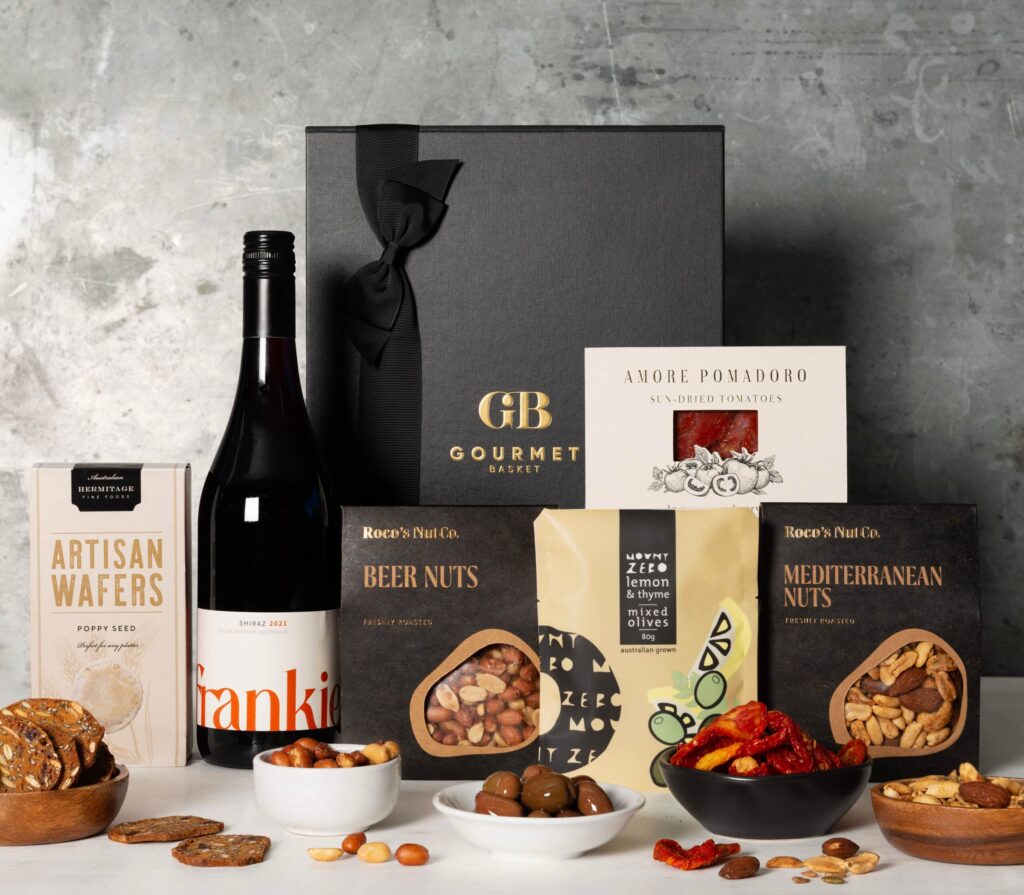
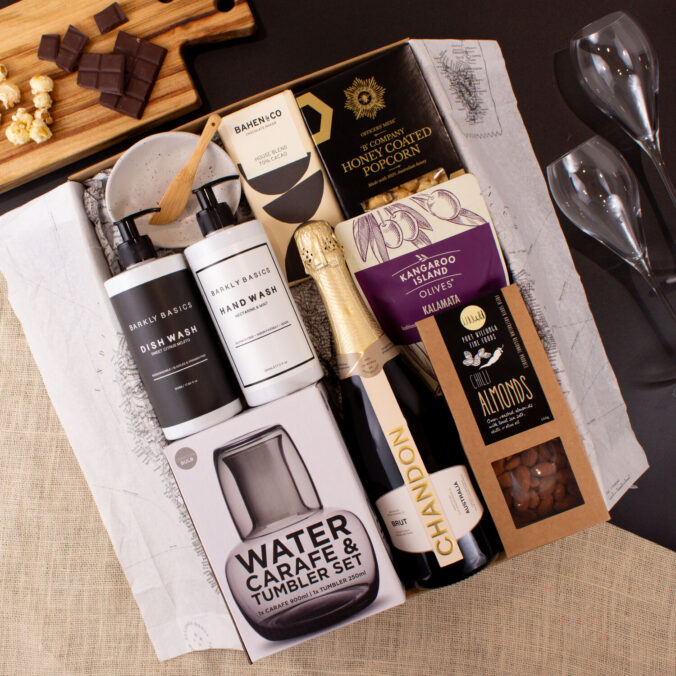
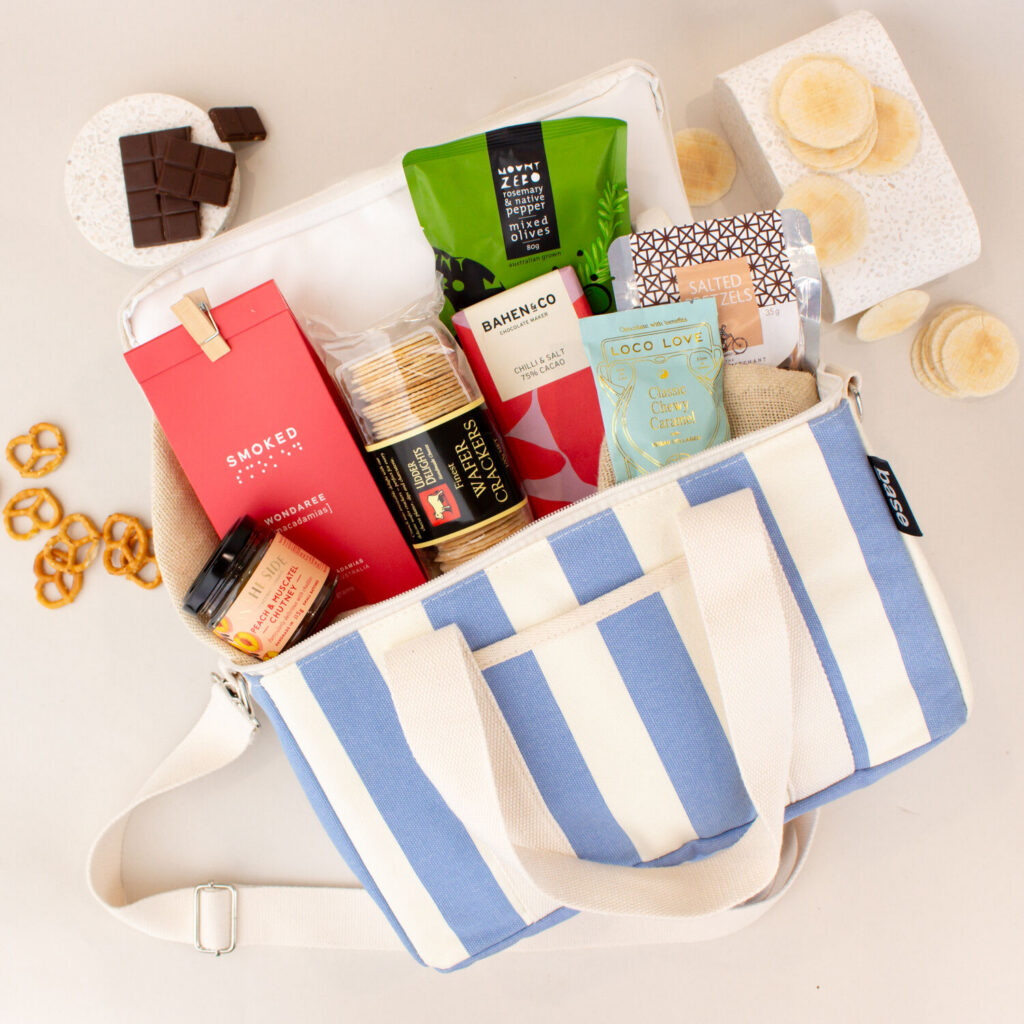
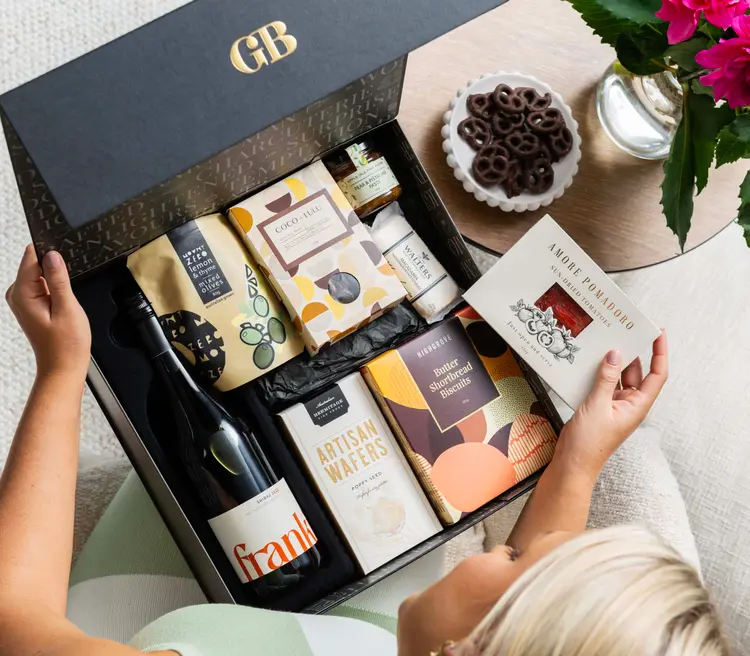
That’s why hampers for him keep winning in Australia. When they are built well, they cover taste, practicality, and presentation in one neat package, whether it’s headed to Sydney, Melbourne, Brisbane, Perth, Adelaide, or a regional town.

What makes hampers for him feel genuinely personal?

The best hampers for him feel tailored because every item matches the recipient’s habits, not the buyer’s assumptions. They usually focus on one clear theme, like craft beer, whisky snacks, coffee, or barbecue.

A personal hamper also avoids filler. If an item looks like it was added “to make it bigger”, it instantly feels less considered, even if the box is expensive.

How can they tell if the products inside are actually high quality?

High quality shows up in the brands, ingredients, and freshness, not just the packaging. The strongest hampers for him use reputable Australian producers, clear best before dates, and items that make sense together.

They also balance indulgent treats with something useful. Think good coffee beans with a proper keep cup, or premium jerky with a small-batch hot sauce that is actually drinkable spicy.

Why do the best hampers for him stick to a tight theme?

A tight theme stops the hamper feeling random. The best hampers for him choose a lane and stay in it, so the recipient can open it and immediately “get it”.

Themes also make it easier to buy for different personalities. A golf-loving dad, a gym-focused brother, and a new client at work can all receive a hamper, but the winning versions are built around how they spend their weekends.

Hampers for Him: What Sets the Best Options Apart

Which themes tend to work best for Australian men?

The safest themes are the ones that fit real Australian routines. The most popular hampers for him often centre on beer and snacks, coffee, barbecue, or grooming essentials that are not overly fragranced. Exploring men’s gift hampers Australia can help shoppers find practical, well-curated options that match different personalities, occasions, and everyday lifestyles.

Season also matters. In summer, lighter snacks and beach-friendly items land well. In winter, a whisky-style set, spicy nibbles, and cosy extras tend to feel more timely.

What items usually separate premium hampers for him from basic ones?

Premium hampers stand out through “hero products” that carry the whole gift. In the best hampers for him, there is usually at least one item that they would not normally buy for themselves.

That could be a top shelf Australian whisky miniature, specialty coffee from a respected roaster, a quality leather accessory, or a proper insulated bottle that will last beyond the first week.

How important is presentation when choosing hampers for him?

Presentation matters because it shapes the first impression before a single item is used. Great hampers for him arrive with sturdy boxing, clean design, and secure packing that survives Aussie couriers.

They also avoid overdoing it. If it looks too fussy, it can feel like a gift aimed at Instagram rather than the recipient, especially for blokes who prefer understated style.

What should they look for in delivery across Australia?

Reliability is the difference between a great gift and a stressful one. The best hampers for him offer tracked shipping, clear dispatch times, and realistic delivery windows for metro and regional areas. Choosing gift hamper delivery Australia can help ensure presents arrive on time, with convenient tracking and dependable service for both personal and corporate occasions.

It also helps when the sender can choose a delivery date or add authority to leave. If alcohol is included, they should check ID requirements, especially for workplaces and apartments.

How do they choose the right hamper for a partner, dad, or mate?

It comes down to how well the hamper matches daily preferences. Thoughtful hampers for him reflect what they actually reach for, such as coffee first thing, craft beer on Friday, or spicy snacks during footy.

For partners, a slightly more intimate angle works well, like a date-night snack set. For dads, practical and classic wins. For mates, fun and bold flavours usually land.

What makes hampers for him appropriate for corporate gifting in Australia?

Corporate gifting works best when it feels polished, neutral, and easy to share. The best hampers for him for clients and staff avoid anything too personal, like heavy fragrance or novelty jokes.

They also keep branding subtle. A clean card message, quality items, and consistent presentation do the job without making it feel like marketing. For offices, shareable snacks and non-alcohol options can be safer.

How can they spot good value without buying the cheapest option?

Value is about the usefulness of every item, not the lowest price. Strong hampers for him list exact product sizes and brands so buyers can judge what is actually included.

A good sign is a curated mix that would cost roughly the same to buy individually, plus the convenience and presentation. A bad sign is vague descriptions like “assorted snacks” with no detail.

Should they choose alcohol-based hampers for him, or play it safe?

Alcohol can be a win, but only when they are confident it fits the recipient. The best hampers for him with alcohol include quality drinks and matching snacks, not random add-ons.

If they are unsure, coffee, tea, chocolate, or barbecue themes are safer and still feel premium. For workplaces, non-alcohol hampers reduce delivery friction and avoid awkward preferences.

What role do Australian-made products play in the best hampers?

Australian-made products often feel more special because they support local businesses and deliver fresher flavours. Many of the best hampers for him include items from Australian makers, like small-batch nuts, local honey, boutique sauces, or craft chocolate.

They also suit interstate gifting. Sending a taste of Australia, rather than generic imports, can make the hamper feel considered even when the sender is buying last minute.

How do they make sure dietary needs are handled properly?

Dietary needs should be obvious from the product list, not hidden in fine print. The best hampers for him clearly label common needs such as gluten free, vegan, or nut aware, and they avoid vague substitute language.

If they know the recipient has allergies, they should choose a hamper built specifically for that requirement. “Mostly suitable” is rarely worth the risk.

What customisation options actually matter?

The customisation that matters is simple and practical. Great hampers for him let the buyer add a personal message, swap an item category, or choose between themes like coffee or beer.

Over-customisation can backfire if it delays dispatch. For most Australian occasions, fast delivery plus a message that sounds like a real person beats a fully custom build that arrives late.

How can they avoid common mistakes when buying hampers for him?

The biggest mistake is buying based on what looks impressive, not what will be used. The best hampers for him are chosen with the recipient’s routines in mind, and they avoid gimmicks.

They should also check size and storage. A huge box can be annoying in an apartment or office. A tighter, higher quality hamper is often more appreciated than a bulky one.

Hampers for Him: What Sets the Best Options Apart

What should they write on the card to make the gift land well?

A short message that sounds natural is usually best. When people send hampers for him, a simple line that matches the relationship often feels more genuine than a long speech.

For a partner, they can mention a shared plan, like a night in. For a mate, keep it light. For a client, keep it appreciative and direct, with their name and a clear thank you.

Which occasions are hampers for him best suited to in Australia?

They work for almost any moment where a physical gift needs to feel complete. Hampers for him suit birthdays, Father’s Day, Christmas, anniversaries, thank you gifts, settlement gifts, and corporate milestones.

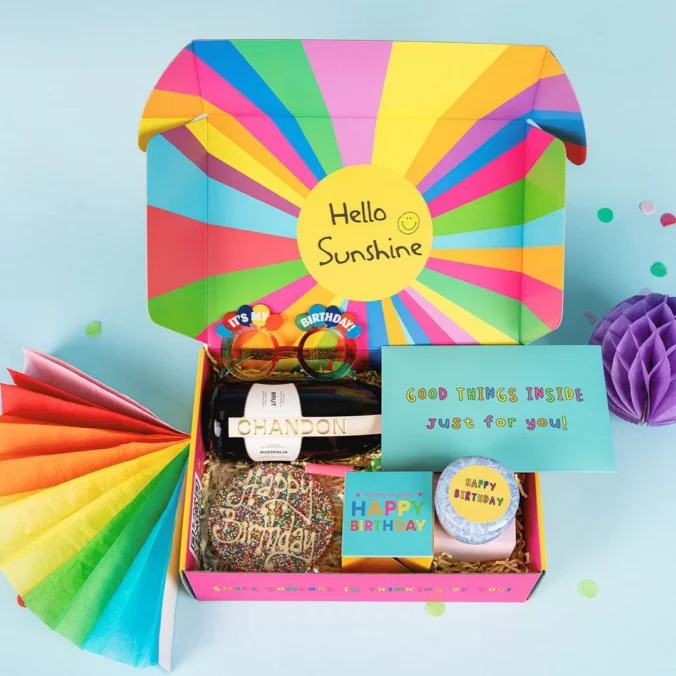
They are also a strong choice for long-distance gifting across Australia. When the sender cannot be there in person, a well-chosen hamper still feels like a thoughtful gesture. Selecting Christmas Corporate Gifts with reliable corporate hamper delivery Australia options can help businesses maintain strong relationships with clients, teams, and partners during the festive season.

How do they choose the best option quickly without overthinking?

They can decide in three steps: pick a theme based on what the recipient already likes, check that the item list is detailed and high quality, then confirm delivery timing for their postcode. That is usually enough to sort great hampers for him from average ones.

If they are still stuck, coffee, barbecue, and premium snack themes tend to be the safest all-rounders for Australian men.

What Are Christmas Corporate Gifts? A Quick Guide for Sydney Creatives and Lifestyle Enthusiasts

For Sydney creatives and lifestyle brands, gifting is not just tradition. It is a brand touchpoint that can feel personal, local, and genuinely useful when it is done well.

What are Christmas corporate gifts?

Christmas corporate gifts are branded or curated presents a business gives to clients, partners, suppliers, or staff at the end of the year. They are used to say thanks, reinforce relationships, and keep the business top of mind into the new year.

In Sydney, they often lean towards premium, practical items like food hampers, local produce, design led desk pieces, and experience vouchers that suit an Australian summer.

Who typically receives Christmas corporate gifts in Sydney?

Most businesses give Christmas corporate gifts to key clients, project partners, referrers, suppliers, and internal teams. Some also include casual collaborators, such as photographers, stylists, set builders, and freelance creatives who helped deliver campaigns during the year.

The best recipient lists are small enough to be intentional. If the list is too broad, gifts can feel generic and lose their impact.

Why do Christmas corporate gifts matter for creatives and lifestyle brands?

They matter because creative and lifestyle industries run on relationships, taste, and repeat work. Christmas corporate gifts can quietly signal professionalism, gratitude, and attention to detail, which are hard to communicate in a single message.

They also offer a brand-safe moment to reconnect. A well-timed gift can prompt a warm reply, a meeting in January, or a referral when budgets reset. Choosing corporate gift hampers Australia can help businesses strengthen professional relationships, show appreciation, and stay memorable with clients, partners, and teams.

What makes Christmas corporate gifts feel premium rather than promotional?

Premium gifting feels considered, useful, and aligned with the recipient’s lifestyle. In practice, Christmas corporate gifts land best when branding is subtle, packaging is high quality, and the item feels like something the recipient would buy for themselves.

A premium gift is rarely the loudest. It is usually the one that is easiest to keep, display, consume, or re gift without awkwardness.

What Are Christmas Corporate Gifts? A Quick Guide for Sydney Creatives and Lifestyle Enthusiasts

How can Sydney businesses choose Christmas corporate gifts that match their brand?

They should start with brand values, not catalogues. For Christmas corporate gifts, a sustainable studio might choose Australian made, low waste items, while a luxury real estate team might prefer premium pantry goods, wine, or a refined home scent.

It helps to pick one clear theme: summer hosting, wellness, desk reset, or local makers. A tight theme makes even modest budgets feel cohesive and intentional.

What are popular categories of Christmas corporate gifts in Australia?

The most common categories are edible hampers, beverages, desk and stationery items, homewares, and experiences. In Sydney, summer friendly options are especially popular, such as picnic sets, beach towels, insulated drinkware, and gourmet grazing boxes.

For teams, practical items with daily use tend to win. For clients, curated consumables often feel safest and easiest to enjoy. Selecting corporate hampers for clients can provide a thoughtful way to recognise important relationships while offering gifts that feel personal, useful, and suitable for different preferences.

What are good locally inspired Christmas corporate gifts for Sydney recipients?

Locally inspired gifts work because they feel specific to place. Christmas corporate gifts with a Sydney angle could include Australian native botanicals, small batch pantry goods, or vouchers for experiences around the harbour and inner city.

They can also feature makers from suburbs like Surry Hills, Marrickville, Alexandria, or the Northern Beaches. Local sourcing adds story, and story adds meaning without extra cost.

How far in advance should Christmas corporate gifts be planned?

Most Sydney businesses should lock decisions in by late October or early November. Christmas corporate gifts often involve lead times for custom branding, printing, stock availability, and courier cut offs, especially as December gets crowded.

Planning early also gives room for quality control. It is easier to adjust packaging, swap items, or confirm dietary needs before the final rush.

What budget range is typical for Christmas corporate gifts in Sydney?

Budgets vary widely, but many small to mid sized businesses sit between $40 and $150 per recipient. For high value clients, Christmas corporate gifts can exceed that range, especially when alcohol, premium hampers, or bespoke items are involved.

The key is consistency within tiers. It is usually better to create two or three clear tiers than to improvise gift value across recipients.

How should recipients be segmented for Christmas corporate gifts?

Segmentation keeps gifting fair and strategic. A simple approach is to group recipients into internal team, standard clients, key accounts, and strategic partners, then match Christmas corporate gifts to each tier.

This avoids overspending on low impact contacts and underserving relationships that drive repeat work. It also makes ordering and fulfilment easier.

What personalisation options work best without feeling intrusive?

The safest personalisation is light and practical: a name card, a short handwritten note, or a colour choice that suits the brand. For Christmas corporate gifts, personalisation should not require guessing private preferences.

If a business wants deeper personalisation, it should use information already offered in conversation, such as dietary needs, alcohol preferences, or a known interest like coffee, cooking, or design.

What should be written in a Christmas corporate gift message?

A short message should do three things: thank them, reference the relationship, and wish them well for the break. With Christmas corporate gifts, the note should sound human and specific, not like a mass mail out.

It also helps to keep tone aligned with the brand. A creative studio can sound warm and informal, while a corporate firm may prefer polished and concise.

What are the common mistakes businesses make with Christmas corporate gifts?

The most common mistakes are leaving it too late, choosing items that feel like marketing swag, and sending the same gift to everyone regardless of relationship. Christmas corporate gifts can also miss the mark when they ignore cultural or dietary considerations.

Another issue is overbranding. If a logo dominates the product, recipients may not want to use it in their home or office.

How can businesses handle alcohol, dietary needs, and cultural considerations in Australia?

They should offer alternatives by default. For Christmas corporate gifts, non alcoholic options, allergen aware treats, and clearly labelled ingredients reduce risk and increase inclusivity.

Cultural considerations matter too. Some recipients may not celebrate Christmas, but still appreciate an end of year thank you. Neutral language like “end of year” can keep the gesture respectful and widely appropriate.

How should Christmas corporate gifts be delivered around Sydney?

Delivery should match the recipient’s work style and location. Some prefer office drop offs in the CBD or Pyrmont, while others are hybrid and need home delivery across Greater Sydney. Christmas corporate gifts should be packed to handle heat, movement, and apartment concierge rules.

Tracking and timing are essential in December. A clear delivery window reduces missed parcels and last minute stress.

What sustainable options exist for Christmas corporate gifts?

Sustainable gifting is usually about materials and usefulness. Christmas corporate gifts can be more sustainable by choosing Australian made items, minimal packaging, recycled materials, and products that will actually be used rather than stored.

Experience based gifts can also reduce physical waste. Another practical move is to choose consumables from ethical suppliers and avoid plastic fillers in hampers.

How can Christmas corporate gifts support Australian small businesses?

They can source from local makers, independent grocers, and small batch producers. For Christmas corporate gifts, supporting Australian businesses can be as simple as choosing locally roasted coffee, artisan chocolate, or handmade ceramics with a maker card included.

This approach adds a story recipients can share. It also helps Sydney brands feel connected to the communities they work in.

What Are Christmas Corporate Gifts? A Quick Guide for Sydney Creatives and Lifestyle Enthusiasts

What are a few quick Christmas corporate gift ideas that suit Sydney lifestyle recipients?

They should aim for items that fit summer and city life. For Christmas corporate gifts, strong options include a premium pantry pack for entertaining, a beach ready insulated bottle, a locally made candle, or a coffee and pastry voucher from a Sydney favourite.

For creative recipients, design led stationery or a small desk object can feel thoughtful. The best picks are practical, refined, and easy to enjoy.

How can businesses measure whether Christmas corporate gifts worked?

They can track responses, follow up conversations, and January retention signals. With Christmas corporate gifts, success often shows up as thank you replies, renewed projects, referrals, or a warmer reception when pitching new work.

It also helps to log what was sent and any feedback. That record makes next year easier and steadily improves gifting quality over time.

What is the simplest way to get started with Christmas corporate gifts in Sydney?

They should start with a recipient list, a budget tier, and one clear theme. From there, Christmas corporate gifts become a straightforward project: choose suppliers, confirm lead times, write notes, and schedule deliveries before December peaks. Using a corporate gifting strategy can help businesses organise selections, manage budgets, and create meaningful experiences for clients, employees, and partners.

If they want to keep it easy, they can select one hero gift per tier and repeat it. Consistency is often what makes the whole program feel professional.

Choosing the Right Approach to Food and Hospitality, From Basics to Unicorn Cake

The smartest operators treat creativity as a layer on top of fundamentals. When they do, food and hospitality becomes easier to scale, easier to staff, and more consistent across busy weekends and quiet midweeks.

What does “getting the basics right” mean in food and hospitality?

It means they build reliable systems before adding flair. In food and hospitality, basics are the habits that protect quality on the busiest shift.

They usually start with mise en place, clear station ownership, and a simple pass system. In a Sydney café or a Brisbane functions venue, the same rule applies: if prep lists are vague and handovers are messy, no garnish or unicorn cake will save service. A well-organised kitchen ensures that even customised desserts and celebration cakes are prepared and delivered with the quality customers expect.

How do they choose a concept that fits Australian customers?

They pick a concept that matches the local day-to-day, not just their personal taste. In food and hospitality, the best concepts feel obvious to the neighbourhood.

In Melbourne, that might mean specialty coffee with a tight breakfast menu and fast table turns. In regional NSW or WA, it might mean family-friendly dining, generous portions, and practical takeaway packaging. They can still be creative, but the concept has to fit real foot traffic and real budgets.

What should their menu focus on first?

It should focus on repeatable items that hold quality under pressure. Food and hospitality menus work best when the first version is small, profitable, and easy to execute.

They often start by choosing a handful of hero items, then building sides and add-ons that share ingredients. That reduces waste and makes ordering simpler. A tight menu also makes training easier, which matters when casual staffing changes week to week.

How can they keep food quality consistent across shifts?

They document the work and make standards visible. In food and hospitality, consistency comes from clear portioning, prep methods, and checks that happen every day. Creating standard operating procedures for hospitality can help teams maintain quality, train new staff faster, and ensure daily processes are followed across every service period.

They can use weighed recipes, photo plating guides, and a short pre-service briefing. Many Australian venues also use a simple “one taste” rule, where sauces and batters are checked at a set time. Consistency is rarely about talent alone; it is about repeatable steps.

Unicorn Cake

How do they build service that feels warm but efficient?

They train for pace and tone at the same time. Food and hospitality service is strongest when customers feel looked after without delays or awkward hovering.

They can script the essentials, greeting, water, menu cues, and bill timing, then encourage staff to personalise in small ways. In Perth or Adelaide, the same approach works: make the service rhythm predictable, then let personality sit on top of it.

What role does kitchen workflow play in profitability?

It is a major driver of labour cost and speed of service. In food and hospitality, a kitchen can lose money even with strong sales if the workflow is chaotic.

They can improve profitability by setting up stations to reduce steps, keeping high-use items within reach, and limiting last-minute customisation. A better workflow also reduces mistakes, which protects food cost and prevents comped meals on busy nights.

How should they approach food safety and compliance in Australia?

They treat compliance as part of daily operations, not paperwork. In food and hospitality, safety standards protect customers, staff, and the business. Implementing a food safety management system can help businesses monitor risks, maintain consistent procedures, and create a safer environment across all areas of operation.

They should follow state and local council requirements, keep temperature logs where needed, and label allergens clearly. It also helps when staff know the “why” behind rules, like cooling times and cross-contamination risks. A calm, consistent routine makes audits far less stressful.

When does it make sense to add showpieces like a unicorn cake?

It makes sense when the venue can produce it consistently, price it properly, and deliver it without disrupting service. In food and hospitality, showpieces should be strategic, not impulsive.

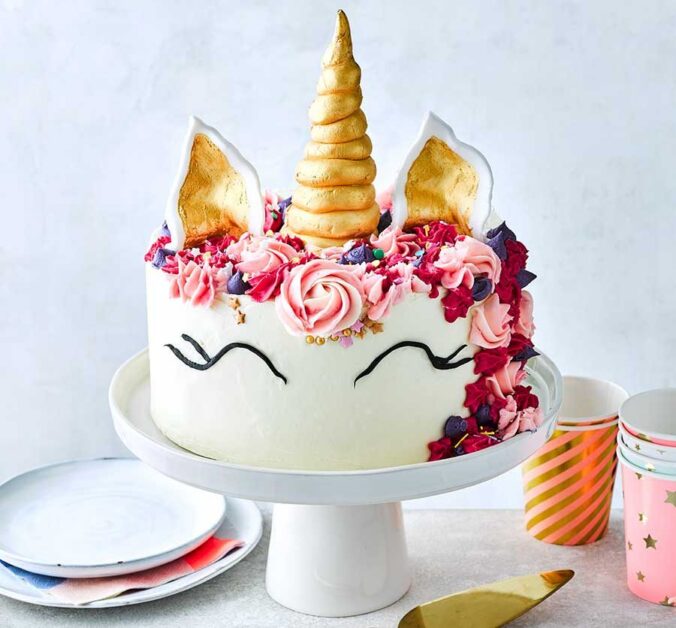
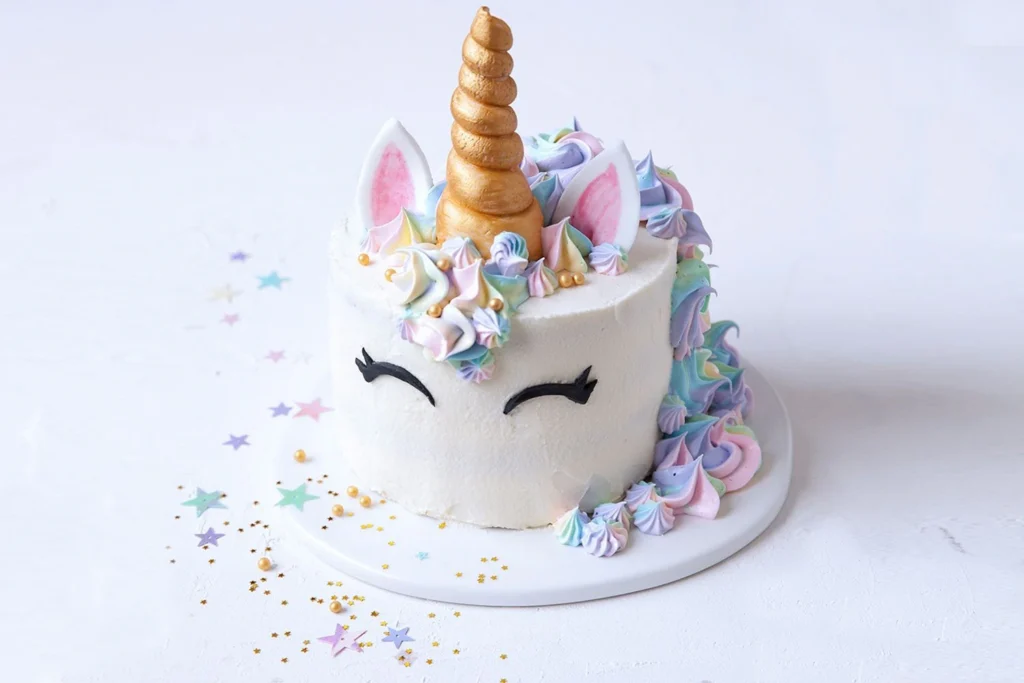
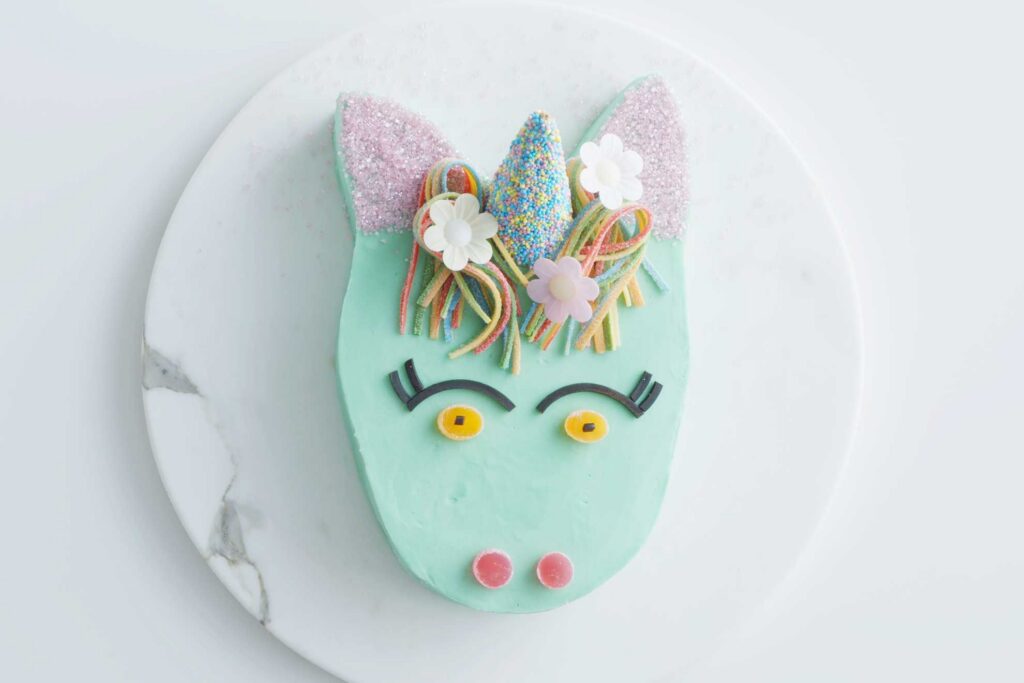
A unicorn cake can suit a café that already sells celebration cakes, a Gold Coast party venue, or a catering business targeting kids’ birthdays. If they cannot control production time, storage, and delivery, the item can quickly become a profit leak.

How can they price a unicorn cake without undercharging?

They price it from true costs, not competitor screenshots. In food and hospitality, cake pricing should include ingredients, labour, overheads, and risk.

They can calculate a base sponge and buttercream cost, then add time for shaping, colouring, decorations, and packing. Delivery and setup should be separate line items in many cases. In cities like Canberra and Hobart, customers often accept higher pricing when the quote is clear and professional.

What’s the best way to balance creativity with speed of service?

They standardise the parts customers do not notice, then customise the parts they do. Food and hospitality creativity works best when it is designed for repeatability.

For a unicorn cake, they can standardise sponge flavours, fillings, and structural supports, then vary colours and toppers. On savoury menus, they can keep base sauces and prep the same while rotating seasonal garnishes. The goal is a creative look with a predictable process.

How do they source ingredients and supplies in Australia without blowing costs?

They build a shortlist of reliable suppliers and review it regularly. In food and hospitality, sourcing is a competitive advantage when it is stable and price-aware.

They can compare local produce markets, national wholesalers, and direct-from-producer options, depending on volume. Many venues also use seasonal menu planning to reduce cost spikes. If a premium ingredient is essential, they can design the dish so the portion is controlled and the value is obvious.

Unicorn Cake

How can they market both everyday meals and celebration items?

They separate the message while keeping the brand consistent. In food and hospitality, marketing should match what customers are buying that day.

For everyday trade, they can highlight speed, value, and signature items on Google Business Profile and local SEO. For unicorn cake orders, they can use clear booking steps, lead times, and pickup details on their website, plus simple photo sets on Instagram. It helps when they show real Australian orders, not stock images.

What should they track each week to know what’s working?

They track a few numbers that connect directly to action. In food and hospitality, too many metrics can hide the problems that matter.

Most teams benefit from watching food cost percentage, wage percentage, average transaction value, waste, and customer feedback themes. For cake and catering work, they can also track enquiry-to-booking rate and how long production takes per order. Weekly review turns guesswork into decisions.

How do they choose the “right approach” from basics to unicorn cake?

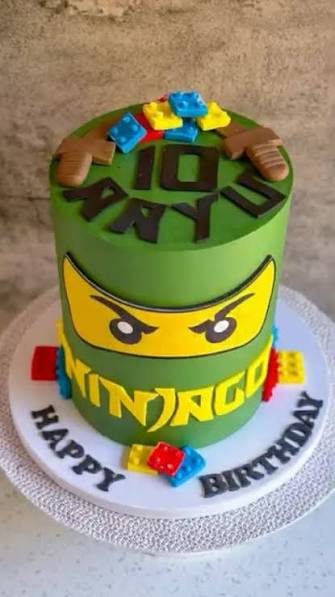
They start with stable operations, then add profitable creativity. In Food and Hospitality, the right approach is the one they can deliver every day, even when staff change and weekends get busy. Introducing creative products like a Ninjago Cake works best when supported by strong bakery production planning that helps teams manage preparation, quality control, and customer expectations during busy periods.

If they nail prep, workflow, service rhythm, and costing, they earn the freedom to add standout items like a unicorn cake. That is how Australian venues stay consistent, build word of mouth, and grow without burning out their teams.

Food and Hospitality FAQ: What to Know Before You Start, Plus a Note on Ninjago Cake

What is this food and hospitality FAQ actually for?

This food and hospitality FAQ is designed to answer common “before they start” questions in plain terms. It helps them avoid expensive surprises around training, compliance, staffing, margins, and customer expectations in Australia.

It is not legal advice, but it gives a grounded checklist they can use to plan their first weeks properly.

What roles count as “food and hospitality” in Australia?

In Australia, food and hospitality usually covers cafés, restaurants, pubs, clubs, hotels, quick service, catering, events, and accommodation food service. It also includes front of house, kitchen, bar, and many support roles such as cleaning and dishwashing. Custom dessert businesses are also part of this industry, with products like a ninjago cake becoming popular choices for themed celebrations and personalised event experiences.

If they handle food, serve drinks, host guests, or manage venue service standards, they are typically in the sector.

What should they learn first if they have no experience?

They should learn the rhythm of service and the basics of food safety before anything else. A few shifts in a busy venue, even as a runner or kitchen hand, can teach more than weeks of theory.

They will also benefit from learning how bookings, prep lists, stock rotation, and cleaning schedules work, because those systems prevent chaos when it is busy.

What training or certificates do they usually need?

Most venues expect staff to understand safe food handling, and many roles benefit from formal hospitality training through TAFE or Registered Training Organisations. For alcohol service, RSA requirements apply, and rules vary by state and territory.

Because requirements can change, they should check their state regulator and their employer’s policies before they start.

Food and Hospitality FAQ: What to Know Before You Start, Plus a Note on Ninjago Cake

What are the key food safety and hygiene expectations?

Australian venues are expected to follow strict food safety standards, including temperature control, cross-contamination prevention, allergen awareness, and proper cleaning and sanitising. Staff are usually trained to document checks, not just “do the right thing.”

This food and hospitality FAQ point matters because the real risk is not just a bad review, it is a reportable incident. Understanding food safety compliance requirements can help businesses follow proper procedures, reduce risks, and protect both customers and staff from preventable issues.

What do they need to know about allergens and special dietary requests?

They should treat allergen questions seriously and avoid guessing. If a customer mentions an allergy, staff should follow the venue’s process, confirm ingredients, and communicate clearly with the kitchen.

A good habit is repeating the request back to the customer and noting it in the order system, because miscommunication is where most problems begin.

What is the reality of pay, penalties, and rosters?

Rosters can include early starts, late finishes, weekends, and public holidays, and pay can depend on classification, duties, and the relevant award or agreement. They should read their payslips and keep personal records of hours worked.

This food and hospitality FAQ recommends they check Fair Work resources and ask questions early, since payroll mistakes are easier to fix quickly than months later. Understanding hospitality award wage requirements can help employers manage pay rates, employee entitlements, and workplace obligations while reducing the risk of costly payroll errors.

How can they avoid common mistakes on their first shift?

They should arrive early, wear the correct uniform, and clarify expectations before service begins. If they do not know something, asking once is better than guessing repeatedly in front of customers.

They will also do better if they carry a small notebook, learn table numbers quickly, and focus on calm, clear communication with the team.

What equipment and tools should they bring or buy?

Most venues supply major equipment, but staff often bring basics like non-slip shoes, a pen, and sometimes a wine key or bar blade for bar roles. Kitchen staff may bring their own knives, but only if the venue permits it and they can store them safely.

For comfort and safety, good shoes matter more than almost anything else in the first month.

How do venues make money, and what do margins look like?

Margins can be tighter than newcomers expect, especially with rent, wages, insurance, utilities, and waste. Many venues rely on consistent volume, upsells, and tight portion control, not huge mark-ups.

This food and hospitality FAQ suggests they learn the difference between busy and profitable, because a packed venue can still struggle if costs are unmanaged.

What should they know before they start a food business of their own?

They should validate demand, understand their costs, and plan compliance before they sign a lease or buy equipment. Councils and state regulators may require approvals, inspections, and documented food safety processes.

They will also need a realistic staffing plan, because the owner often becomes the backup for every role when someone calls in sick.

How do they handle customer complaints without making it worse?

They should listen, acknowledge, and offer a clear next step, such as replacing an item or involving a manager. Arguing rarely helps, even if the venue is technically correct.

This food and hospitality FAQ approach is simple: keep the tone respectful, document serious incidents, and move the conversation toward a fair outcome.

What are the biggest health and wellbeing risks in hospitality?

The most common issues are fatigue, stress, dehydration, repetitive strain, and injuries from slips or burns. Late finishes can also affect sleep and mental health, especially when paired with study or another job.

They should take breaks when allowed, drink water, and report hazards, because injuries often come from rushing in a messy workspace.

How can they build a career, not just work shifts?

They can progress by learning multiple stations, asking for feedback, and showing reliability during peak periods. Skills like coffee, cocktails, reservations systems, and basic supervision can increase their options quickly.

This food and hospitality FAQ also recommends they keep a simple record of achievements, since it helps when applying for better roles in other venues or cities.

What should they know about events, birthdays, and themed cakes like a Ninjago cake?

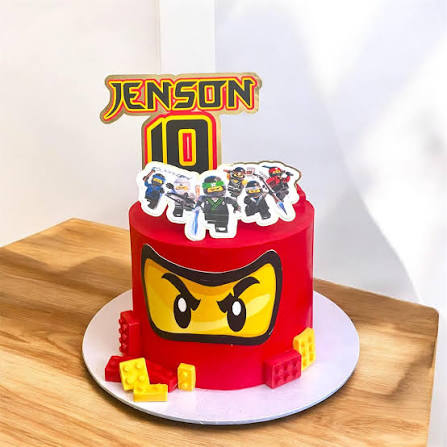
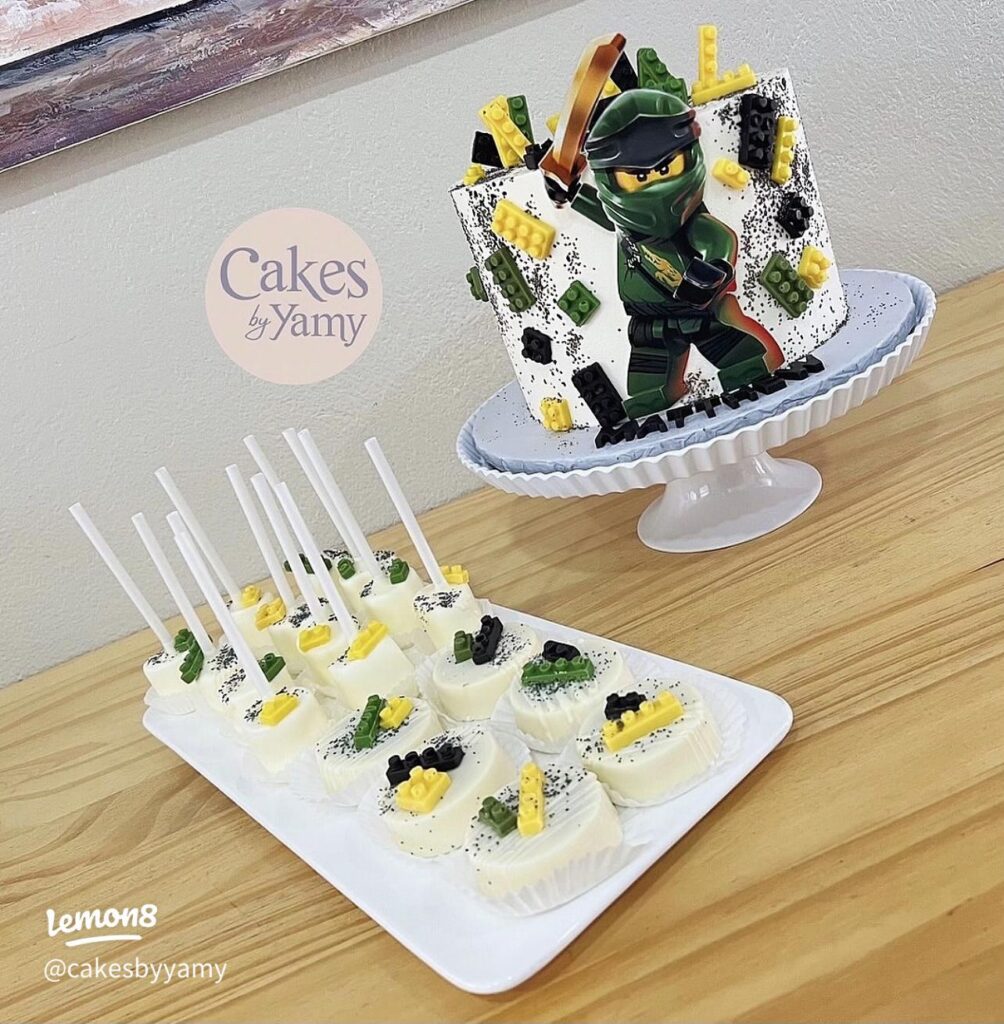
A Ninjago cake can be a strong upsell for kids’ parties, but they should plan it like a mini project: theme, colours, servings, storage, delivery, and allergies. In Australia, summer heat and transport time can ruin buttercream quickly, so they should choose stable finishes and reliable packaging.

If a venue offers a Ninjago cake as part of an event package, they should confirm lead times, dietary needs, and whether the cake is made in-house or sourced from a local bakery.

Food and Hospitality FAQ: What to Know Before You Start, Plus a Note on Ninjago Cake

How should they price and communicate custom cake requests?

They should price based on portions, labour, materials, and risk, not just ingredients. A written confirmation helps, including pickup time, design reference images, inscription spelling, and what happens if the customer changes the brief late. For custom creations like a Unicorn Cake, using a clear custom cake pricing guide can help customers understand design complexity, preparation time, and the factors that influence the final cost.

This food and hospitality FAQ tip saves headaches: set boundaries on revisions and be clear that exact character designs may vary depending on tools, edible prints, or licensing constraints.

What is the simplest checklist they can follow before they start?

They should confirm their role requirements, check training needs, understand roster expectations, and learn the venue’s service standards. They should also prepare the basics: shoes, presentation, punctuality, and a willingness to learn fast.

This food and hospitality FAQ takeaway is straightforward: the people who succeed early are rarely the most talented on day one, they are the most consistent, coachable, and prepared.

7 Food and Hospitality Essentials, Plus Why Custard Filled Donut Matters Too

This guide covers food and hospitality essentials that keep kitchens, cafés, pubs, caterers, and event teams moving. It also explains why a simple treat like a custard filled donut can be a quiet profit driver when it is done well.

What are the core food and hospitality essentials they should never run out of?

They should lock in the non negotiables: safe storage, clean prep, reliable cooking, fast service tools, and consistent ingredients. These food and hospitality essentials reduce waste, speed up service, and protect reputation.

In practice, it means planning for peak periods, local supplier delays, and Australian heat. If stock control and routines are tight, staff can focus on the guest experience instead of scrambling. This is especially important for popular treats like a custard filled donut, where freshness, temperature control, and timely preparation can influence customer satisfaction.

How does food safety and hygiene become one of the most important food and hospitality essentials?

It becomes essential because one mistake can shut a venue down, especially during busy seasons in Sydney, Melbourne, Brisbane, Perth, Adelaide, or regional hubs. Clear hygiene routines are food and hospitality essentials that protect customers and staff.

They should keep temperature logs, label and date all items, and separate raw and ready to eat foods. Strong allergen handling matters too, particularly when menus change often or casual staff rotate through shifts.

Which storage and cold chain practices count as food and hospitality essentials in Australia?

They count because Australian summers can push fridges, freezers, and deliveries to the limit. The cold chain is one of the most overlooked food and hospitality essentials, yet it directly affects quality and safety.

They should check fridge seals, avoid overfilling, and cool cooked food quickly before storing. During deliveries, they can prioritise chilled and frozen stock first, then get dry goods away from heat and humidity.

7 Food and Hospitality Essentials, Plus Why Custard Filled Donut Matters Too

What kitchen equipment should they treat as food and hospitality essentials, not “nice to have”?

They should treat reliable cooking and prep gear as essentials because inconsistency costs more than the equipment. For many venues, these food and hospitality essentials include a dependable oven or combi, sharp knives, calibrated thermometers, and sturdy prep benches.

Small items matter too. Spare tongs, scoops, chopping boards, and labelled containers prevent bottlenecks when the rush hits and the dishie is already flat out. Maintaining an organised commercial kitchen equipment checklist can help hospitality businesses prepare for busy periods, reduce delays, and keep daily service running smoothly.

How do menu planning and ingredient consistency become food and hospitality essentials?

They become essential because guests return for the same taste and portion every time. Tight specs and repeatable recipes are food and hospitality essentials that reduce training time and stop food cost blowouts.

They can standardise batch recipes, portion with scales, and build a menu that shares ingredients across dishes. In Australia, they can also rotate seasonal produce while keeping signature items stable.

Why are service workflow and front of house tools considered food and hospitality essentials?

They are essential because the best kitchen output still fails if it arrives late, wrong, or cold. Smooth workflow and the right tools are food and hospitality essentials for cafés, pubs, and high volume takeaway.

They can optimise pass layout, print clear dockets, and set simple rules for handover and table running. Even basics like water jugs, tray stands, and a reliable EFTPOS setup reduce friction and lift table turns.

What purchasing and supplier relationships are food and hospitality essentials for Australian venues?

They are essential because supply issues are normal, especially for regional venues or during holiday peaks. Strong supplier relationships and smart purchasing are food and hospitality essentials that protect margins. Building a hospitality supply chain strategy can also help businesses manage stock availability, control costs, and maintain consistent service during periods of high demand.

They can keep at least one backup supplier for key categories, confirm lead times before promotions, and track price changes weekly. In metro areas, they might use multiple specialty suppliers, while regional teams may rely on fewer partners and plan further ahead.

Why does custard filled donut matter too, alongside food and hospitality essentials?

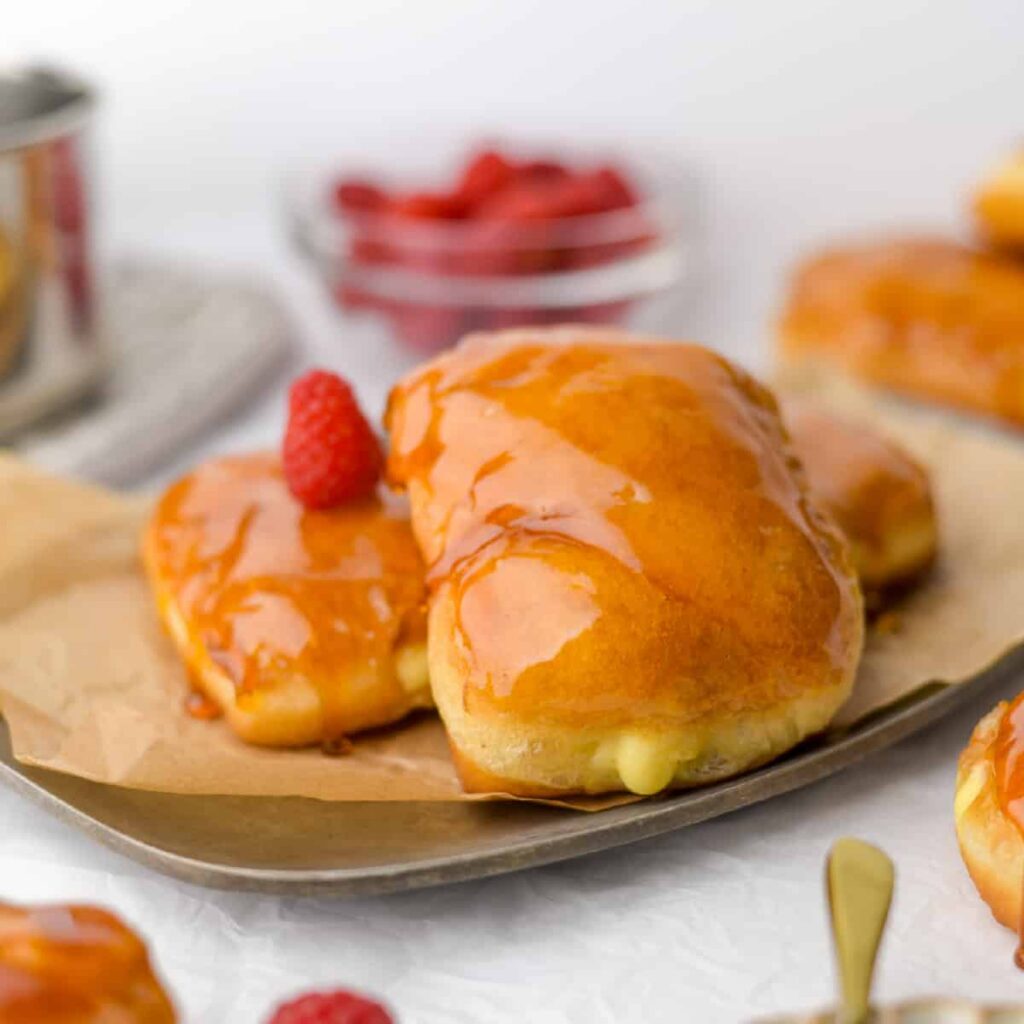
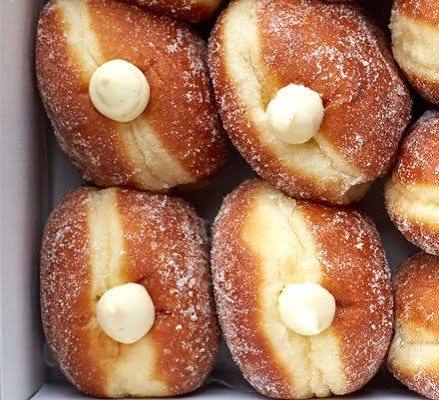
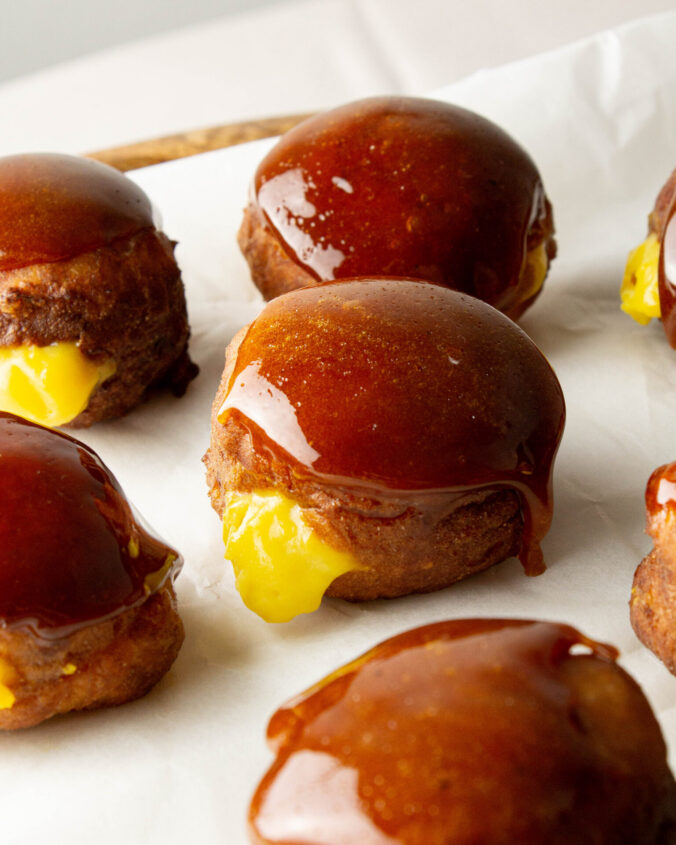
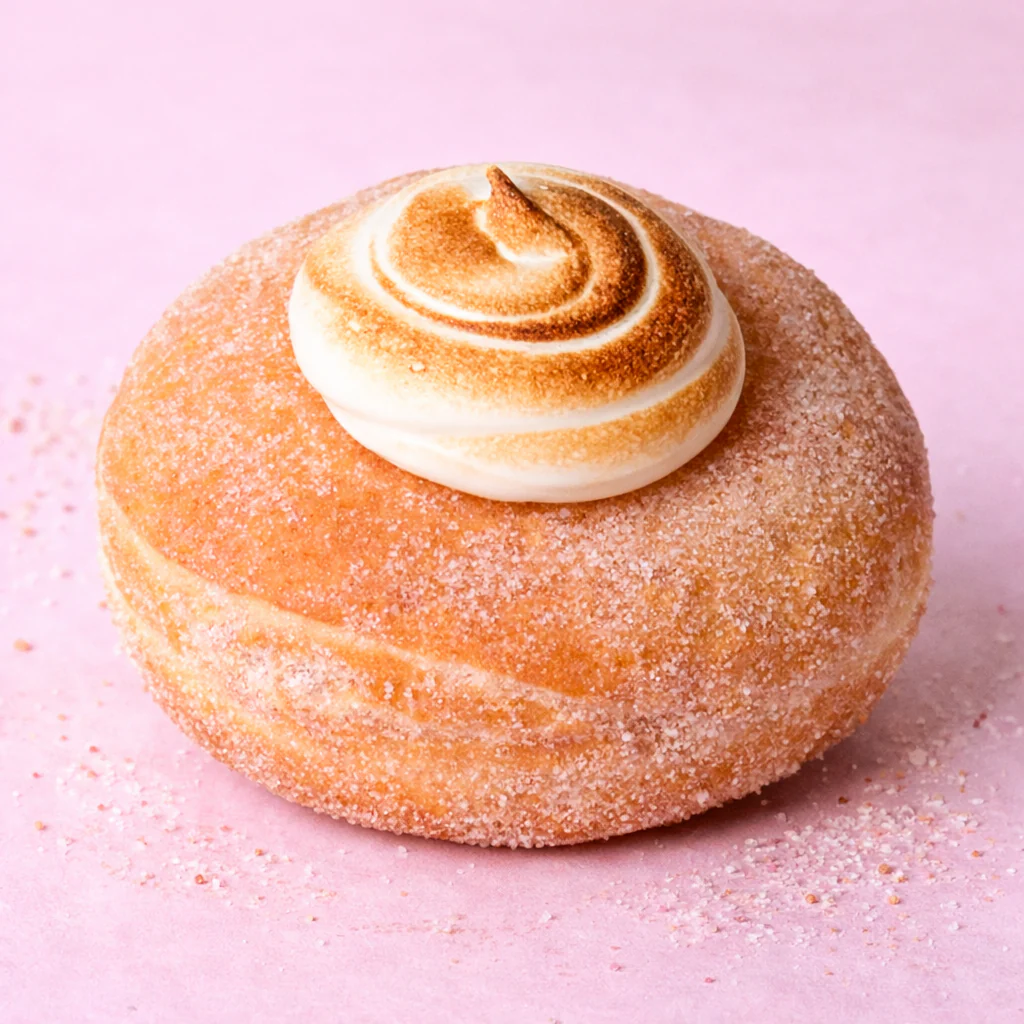
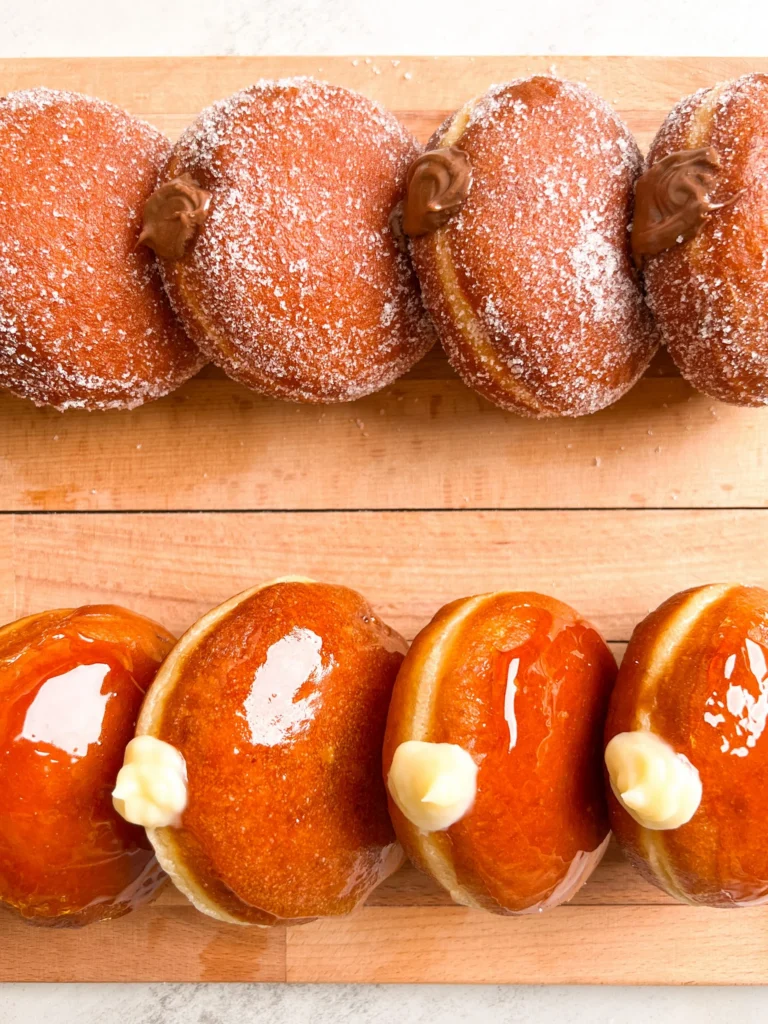
It matters because it can be a high margin, high appeal add on that sells fast with coffee, late night service, or events. A well executed custard filled donut complements food and hospitality essentials by improving average order value without adding complex kitchen load.

They can position it as a hero item near the counter, on delivery platforms, or as part of catering packs. In Australia, it also suits seasonal promotions, from winter comfort menus to summer beachside kiosks.

How can they make a custard filled donut work as a practical product, not just a treat?

They can make it practical by standardising the fill, portion, and holding time so quality stays consistent. A custard filled donut works best when it is soft, fresh, and filled generously, without leaking or going soggy.

They should decide whether it is made in house, finished in house from a supplier base, or sourced fully made. Each option can work if they control freshness and presentation, especially during the morning rush.

What makes a custard filled donut “good” in an Australian café or bakery context?

A good custard filled donut has a light dough, balanced sweetness, and custard that tastes like real dairy and vanilla. Texture is the difference between a one off purchase and a repeat habit.

They should keep it consistent across locations and shifts, and train staff on handling so it does not collapse or dry out. When done right, a custard filled donut becomes a signature that guests recommend.

How should they price and upsell a custard filled donut without annoying customers?

They should price it to reflect labour and waste, then upsell it as an easy add on rather than a hard sell. A custard filled donut often performs best when bundled with coffee or offered as a limited flavour run.

They can also use simple signage at the point of sale and photos on online menus. If staff suggest it naturally, it feels helpful, not pushy.

7 Food and Hospitality Essentials, Plus Why Custard Filled Donut Matters Too

Which operational checks keep a custard filled donut consistent during busy shifts?

They should control fill volume, storage, and turnover time, then assign a clear prep schedule. A custard filled donut can lose quality quickly if it sits too long, especially in warm venues or display cases with dry airflow.

They can set a small batch system and mark time stamps. If demand spikes, they can switch to faster finishing steps rather than trying to produce everything from scratch mid service.

What are the seven food and hospitality essentials they can action this week?

They can action these quickly because they are systems more than big purchases. These food and hospitality essentials create stability, then give teams room to improve food quality and service. Implementing hospitality operations management practices can help businesses streamline daily workflows, improve consistency, and build stronger foundations for long-term growth.

  1. Daily temperature and cleaning checks with clear accountability.
  2. Better labelling and FIFO routines across all storage zones.
  3. Standard recipes and portion control to protect consistency.
  4. Service station reset rules for every shift change.
  5. Par levels for core stock so busy days do not empty shelves.
  6. Two supplier options for the most critical categories.
  7. One hero add on item, such as a custard filled donut, designed for fast upsell.

What should they take away from food and hospitality essentials and the custard filled donut idea?

They should treat fundamentals as the real growth lever, because guests reward consistency more than novelty. Strong food and hospitality essentials reduce chaos, protect margins, and improve reviews.

Then a simple product like a custard filled donut can do more than add sweetness. It can lift daily revenue, build habit, and give staff an easy recommendation that customers actually want.

Food and Hospitality: What to Weigh Up, Including Creme Brulee Donuts

This guide covers the key decisions businesses in Australia tend to weigh up, including where trend items like creme brulee donuts can help, and where they can quietly hurt.

What does “food and hospitality” actually include in Australia?

Food and hospitality covers cafés, restaurants, pubs, clubs, bakeries, caterers, food trucks, and venues that serve food alongside experiences. In Australia, it also includes takeaway-first operators, delivery kitchens, and hybrid spaces such as roasteries that run tastings and events. Popular specialty products like creme brulee donuts also show how bakeries and dessert businesses are creating unique offerings to attract customers through memorable flavours and experiences.

Because margins are tight, food and hospitality operators often win through consistency rather than constant novelty.

Why do margins feel so tight in food and hospitality?

Margins feel tight because the costs that matter most move fast while menu prices move slowly. Wages, rent, insurance, energy, card fees, and supplier pricing can rise within a quarter, but customers still compare prices to last year.

In food and hospitality, a small slip in portioning, rostering, or waste can erase the profit on a busy weekend.

How should they choose a concept that suits their suburb?

They should match the concept to local foot traffic, trading hours, and what people already buy nearby. A commuter strip near a Sydney station may favour fast service and strong coffee, while a destination area in Hobart might reward longer stays and seasonal plates.

Food and hospitality concepts usually perform best when they fit the daily routine of the local area, not just the owner’s taste.

What should they weigh up when designing a menu?

They should design the menu around items that sell often, hold quality during service, and share ingredients across dishes. A smaller menu can reduce waste and speed up the pass, while a large menu can dilute training and consistency.

Food and hospitality concepts usually perform best when they fit the daily routine of the local area, not just the owner’s taste. Conducting hospitality market research can help businesses understand customer preferences, local demand, and changing dining habits before investing in a new concept or expanding an existing one.

Food and Hospitality: What to Weigh Up, Including Creme Brulee Donuts

How can they price items without scaring customers off?

They can price confidently when they understand their food cost, labour time, and realistic portion size. Instead of copying a competitor’s price, they can calculate a target margin and adjust portioning or components to land at a fair number.

Food and hospitality customers accept premium pricing when they can feel the value in service, portion, or uniqueness.

When do trend items like creme brulee donuts make sense?

Creme brulee donuts make sense when they match the brand and can be produced consistently at scale. They can lift average spend, drive social sharing, and create a reason for customers to visit at a specific time.

In food and hospitality, creme brulee donuts work best as a limited run with a clear prep plan, rather than as a permanent item that places unnecessary pressure on the kitchen. Businesses can use a seasonal menu planning strategy to test customer demand, manage ingredient costs, and introduce specialty items without affecting daily operations.

What operational risks come with creme brulee donuts?

They can introduce extra steps, extra equipment, and extra failure points, especially around filling, setting, and finishing. If the brûlée topping softens during humidity or transport, the product can lose the “crack” customers expect.

Food and hospitality teams often underestimate how much creme brulee donuts depend on timing, storage, and staff technique across a full service.

How should they test creme brulee donuts before a full launch?

They can run a controlled pilot with limited quantities, fixed days, and a clear prep sheet. They can track sell-through time, waste, staff minutes per batch, and customer feedback, then decide whether the product is worth keeping.

In food and hospitality, a good pilot for creme brulee donuts also checks whether the item steals attention from higher-margin staples.

How do staffing and rostering decisions affect the guest experience?

Staffing shapes everything customers notice, from wait times to table resets to how problems are handled. Under-rostering can boost short-term wages percentage but can damage reviews and repeat visits, while over-rostering can drain profit on quiet days.

Food and hospitality operators usually improve results when they roster to patterns, not hopes, and train for multi-skilling.

What should they consider about training and consistency?

They should document key processes so the product stays stable when the best staff member is not on shift. Simple tools like recipe cards, plating guides, and service scripts reduce variation without making the team robotic.

In food and hospitality, consistency is often the real “signature,” and it protects them when staff turnover hits.

How can they manage suppliers and ingredient volatility?

They can build relationships with multiple suppliers and keep a short list of acceptable substitutes. Seasonal purchasing, flexible specials, and menu engineering can reduce exposure when produce pricing jumps in Melbourne, Brisbane, or Perth markets.

Food and hospitality businesses that communicate early with suppliers are more likely to secure reliable delivery windows and stable quality.

What role does compliance play in daily operations?

Compliance is not optional, and ignoring it usually costs more later. They need current food safety practices, allergen awareness, cleaning schedules, and safe storage, plus licensing that fits their service style, whether it is a café in Adelaide or a venue in regional NSW.

Food and hospitality teams that treat compliance as routine tend to avoid the stress of last-minute fixes and complaints.

How should they think about ambience, service style, and brand?

They should design the experience to match what they sell and what customers are paying for. Fast-casual can succeed with bright lighting and quick greetings, while higher-end dining often needs quieter acoustics, paced service, and staff who can explain the menu clearly.

In food and hospitality, brand is the gap between expectation and reality, and customers post online when that gap is wide.

Is delivery worth it for food and hospitality operators?

Delivery can help when the menu travels well and the pricing model covers fees and packaging. It can also create hidden costs through remakes, late drivers, and quality drops, especially for fried items, ice-based drinks, and delicate desserts.

Food and hospitality businesses often do better when they treat delivery as a separate channel with its own menu and prep rules.

How can marketing work without feeling pushy?

They can focus on clear offers, strong photos, and local visibility rather than constant discounts. A reliable Google Business Profile, updated hours, accurate menus, and simple content showing the kitchen at work can outperform flashy campaigns.

In food and hospitality, marketing usually works best when it highlights what is already good, including limited releases such as creme brulee donuts.

Food and Hospitality: What to Weigh Up, Including Creme Brulee Donuts

What should they track each week to stay profitable?

They should track sales mix, labour percentage, food cost, waste, and customer feedback. They can also watch the performance of signature items and seasonal specials to see whether they drive repeat visits or only one-off curiosity.

Food and hospitality improves fastest when the numbers are checked weekly, not only when the bank balance feels tight.

How can they decide whether to keep creme brulee donuts long term?

They can keep custard filled donut and creme brulee donuts on the menu if the items remain profitable after labour, waste, and packaging are counted, and if they fit the brand without distracting the team. They can also rotate flavours or make specialty donuts a weekend-only feature to protect consistency. Reviewing menu profitability strategies can help food businesses balance customer demand, operational capacity, and overall margins.

In food and hospitality, creme brulee donuts are most valuable when they support the core offer, not when they become the entire story.

What is the simplest way to weigh everything up?

They can weigh everything up by returning to three checks: does it sell, can it be repeated, and does it strengthen the brand. If the answer is yes, it is usually worth refining; if the answer is no, it is usually better to remove it fast.

Food and hospitality rewards operators who make small, disciplined decisions, even when a new trend like creme brulee donuts looks tempting.

« Older posts

© 2026 Arts Freedom AU

Theme by Anders NorenUp ↑